Hydro Jetting Service in Las Vegas, NV
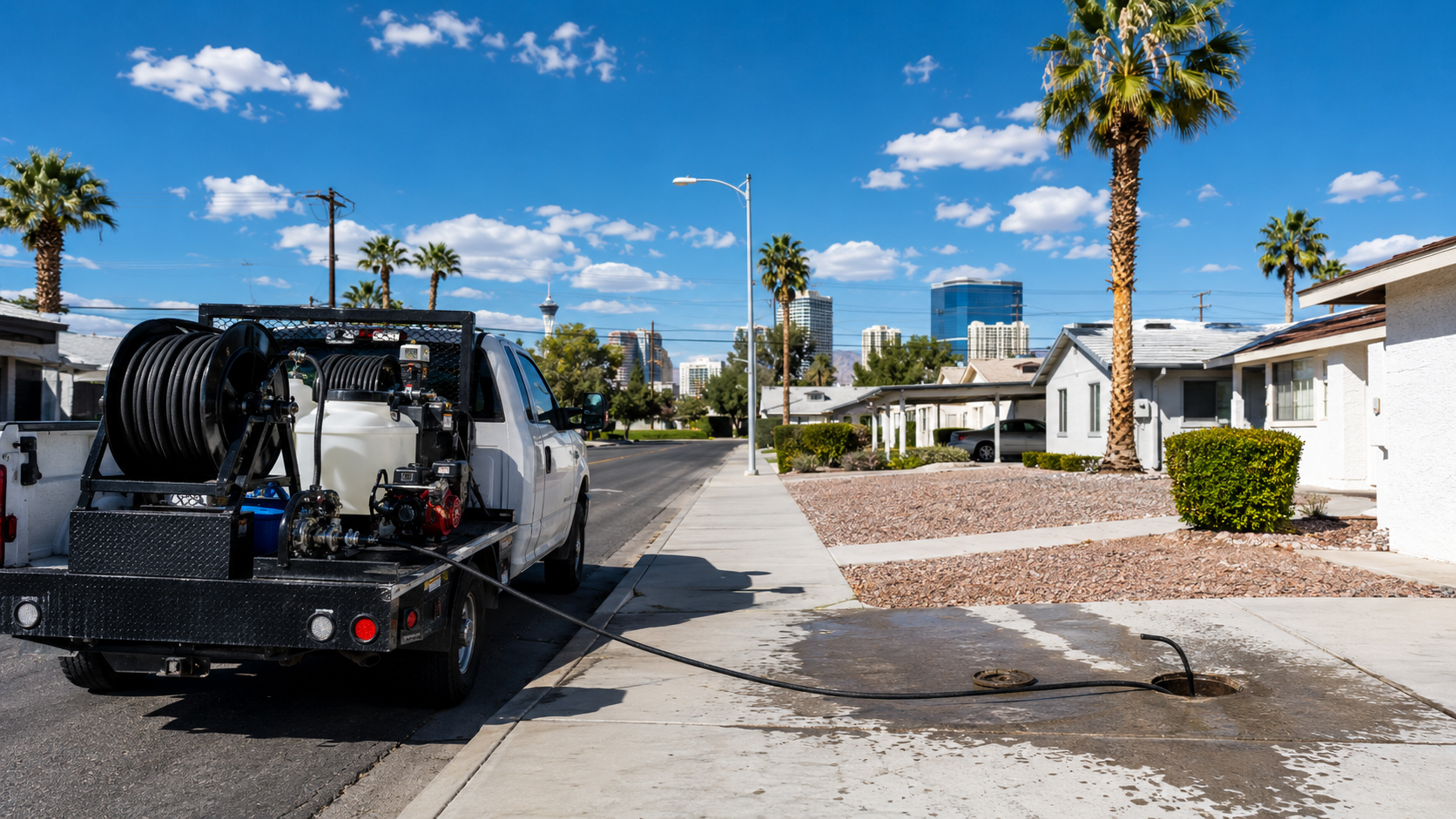
When a cable clears a line and the same drain slows again weeks later, the pipe wall is the problem. Hydro jetting uses high pressure water to scour grease, scale and buildup back to bare pipe so the line runs at full diameter again.
Jetting for Blockages a Cable Cannot Solve
A drain cable punches a hole through a blockage. That restores flow, but it leaves the grease, soap and mineral buildup coating the pipe wall, which is why the clog comes back. Hydro jetting sends water through a specialized nozzle at high pressure and strips that layer off completely.
We inspect before we jet, every time. A camera run tells us the material and condition of the pipe so we can confirm jetting is safe for it. If the line is fragile or already damaged, we say so and recommend a repair rather than pushing pressure through it.
- Camera inspection before jetting
- Grease and scale removal
- Root cutting in sewer laterals
- Restaurant and light commercial lines
- Post-jetting verification run
- Free inspections and estimates
What a Hydro Jetting Visit Covers
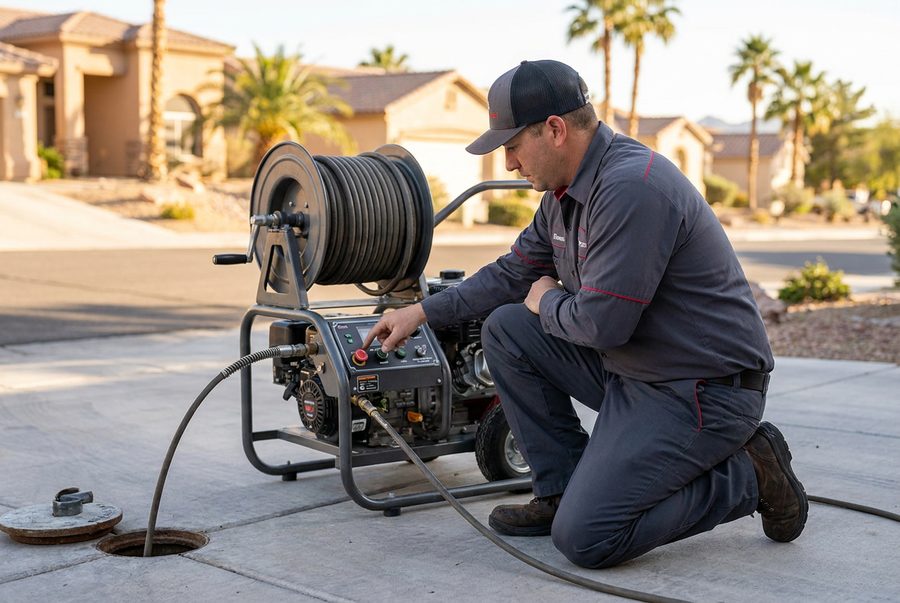
No two properties are identical, so we match the work to what we actually find on site.
We start with the symptoms you have noticed, then decide whether a camera, moisture meter or pressure test is needed.
We confirm the pipe material and condition before any pressure goes into the line.
The nozzle and pressure are chosen for the pipe and the blockage, not set once and used everywhere.
Rotating heads cut root intrusions and hard scale that a cable simply slides past.
Jetting cleans the pipe wall so the line drains at the rate it was designed for, not just enough to pass.
We test the system under normal use, leave the space as we found it, and review what will help keep it that way.
From First Call to Final Cleanup
We provide a clear arrival window and confirm your contact information.
Our technician reviews the issue with you and explains the findings in plain language.
We outline your options with a straightforward estimate before any work begins.
We finish the work, test the system, and review tips that help prevent a repeat.
When Jetting Is the Right Call
Jetting is not for every clog. These are the situations where it is the answer.
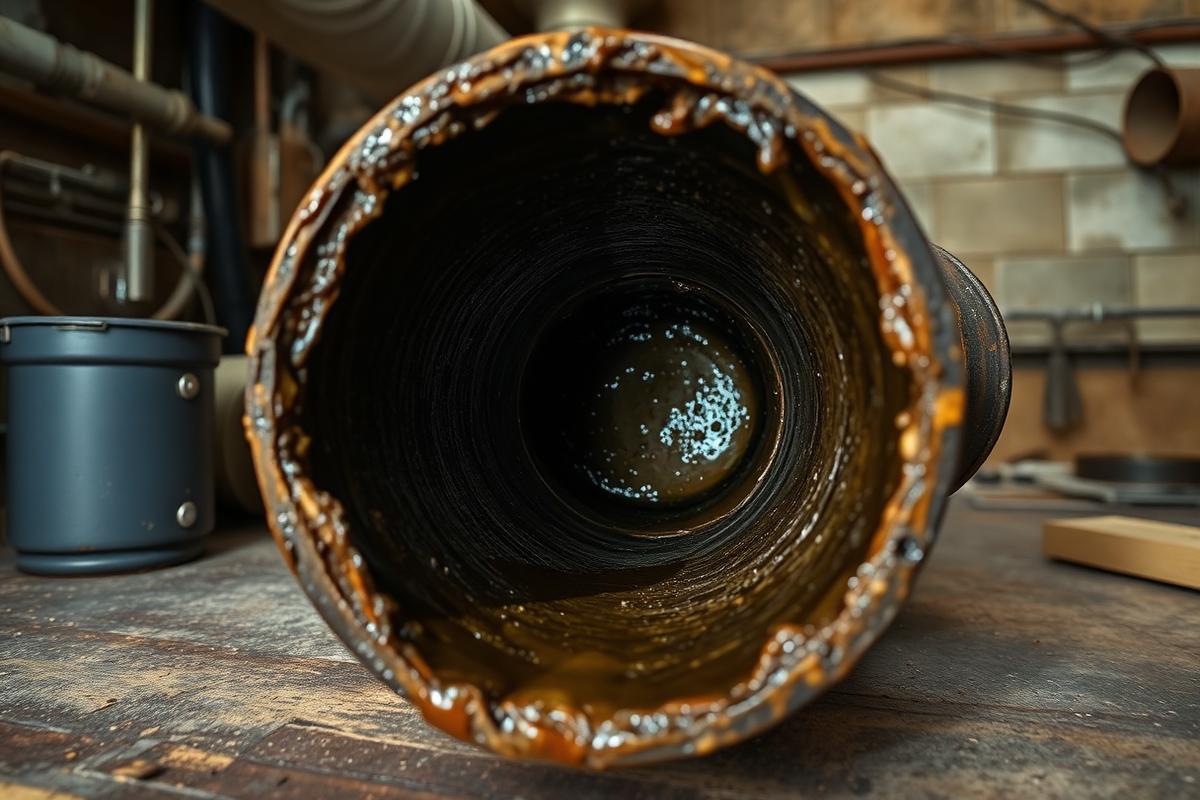
A line cleared twice in a year has buildup on the wall that only jetting removes.
Restaurant and heavy-use kitchen lines coat quickly, and grease does not respond to cabling.
Fine roots at a joint are cut and flushed cleanly by a jetting head.
A line that drains slowly but is not blocked usually has a narrowed diameter from scale.
Residue left on the pipe wall keeps producing smell even after the blockage is gone.
A clean line gives a clear picture, so jetting is often the step before a proper condition assessment.
What Builds Up Inside a Las Vegas Line
Grease is the main culprit in kitchen lines. It goes down warm and liquid, then cools and hardens against the pipe wall, catching everything that passes afterward.
Las Vegas draws from the Colorado River, and that water is hard. Scale builds inside pipes, heaters and fixtures a little at a time, which is why equipment here often needs attention earlier than the manufacturer's average suggests.
In older neighborhoods with mature landscaping, roots find the moisture in a sewer lateral and work into the joints. Jetting with a cutting head clears them, and the camera run afterward tells you how much pipe damage they left behind.
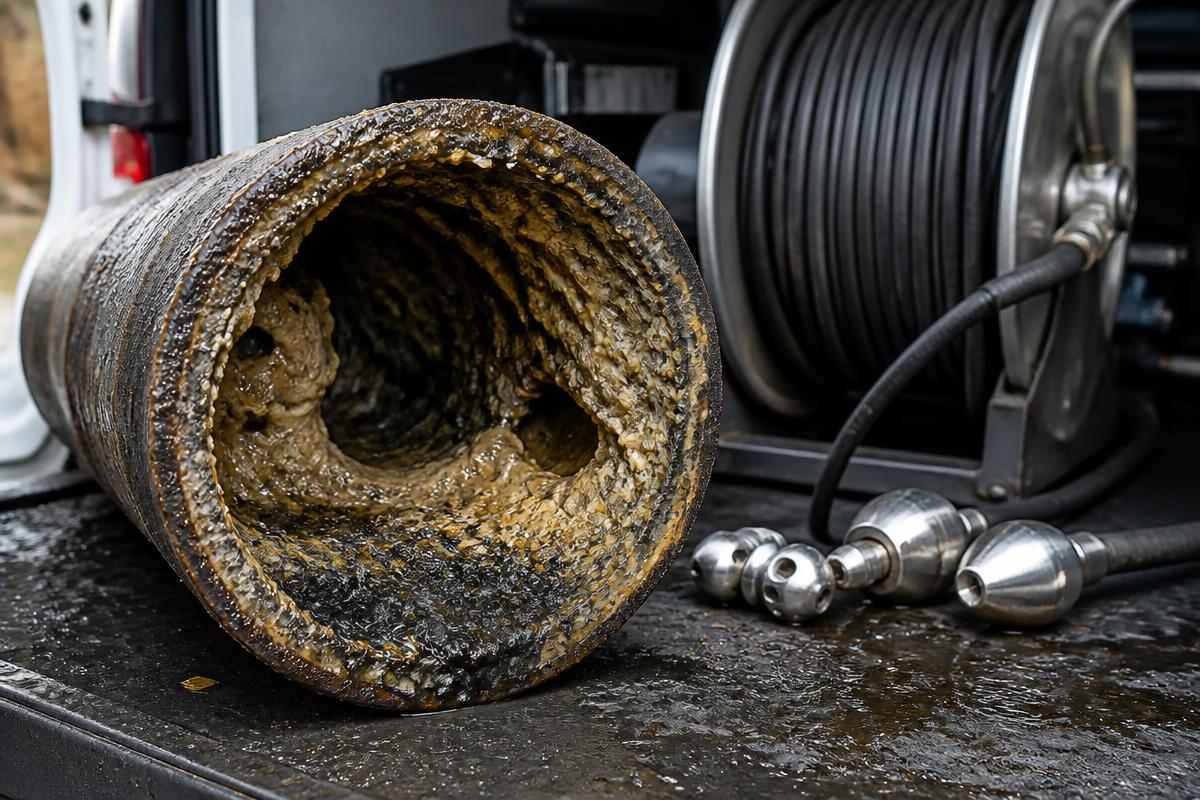
Cabling restores flow. Jetting restores the pipe. Which one you need depends on what the camera shows.
What Affects the Cost of Hydro Jetting
Every property is different, so we look before we quote. Here is what actually moves the number.
Jetting a short kitchen branch and jetting a full sewer lateral are different amounts of time on site.
Heavy grease or hard scale takes multiple passes to bring the pipe back to full diameter.
We inspect before and usually after, so you can see the condition rather than take our word for it.
How easily we can reach the pipe, fixture or unit changes the labor involved more than almost anything else.
You get a free inspection and a straightforward written estimate before any work begins. Honest, upfront pricing with no hidden fees and no surprises later.
What Las Vegas, NV Customers Say About Our Hydro Jetting
Serving Clark County and Henderson
We work on homes and light commercial properties across the valley. Do not see your city listed? Give us a call.
Scour the Line Back to Full Flow
Ask about hydro jetting and we will inspect first, then decide together whether the line is a good candidate.
Frequently Asked Questions
We inspect the line with a camera before jetting. If the pipe is fragile or already compromised we recommend cabling or a repair instead. The point of the inspection is to match the method to the real condition of your plumbing.