Piping & Repiping Service in Las Vegas, NV
Low pressure, discolored water and repeat pinhole leaks all trace back to the same thing: supply piping that has reached the end of its life. Repiping replaces the runs rather than chasing one leak after another.
When Patching Costs More Than Replacing
Older valley homes still carry galvanized steel that has corroded down to a fraction of its bore, or early copper that has begun to pinhole. Each individual leak is a small repair, but a house that produces three of them a year is telling you something.
We assess the full system first: material, age, pressure readings and where the failures have been. Then we quote a repipe with a realistic scope, whether that is one problem run, the hot water side, or the whole house.
- Whole house and partial repipes
- Copper and PEX options
- Pressure testing and assessment
- Wall access planned and minimized
- Permits and inspection handled
- Warranties on completed work
What a Piping & Repiping Visit Covers
No two properties are identical, so we match the work to what we actually find on site.
Material, age, pressure and failure history reviewed before a scope is proposed.
Static and flowing pressure readings show whether the restriction is the pipe or the regulator.
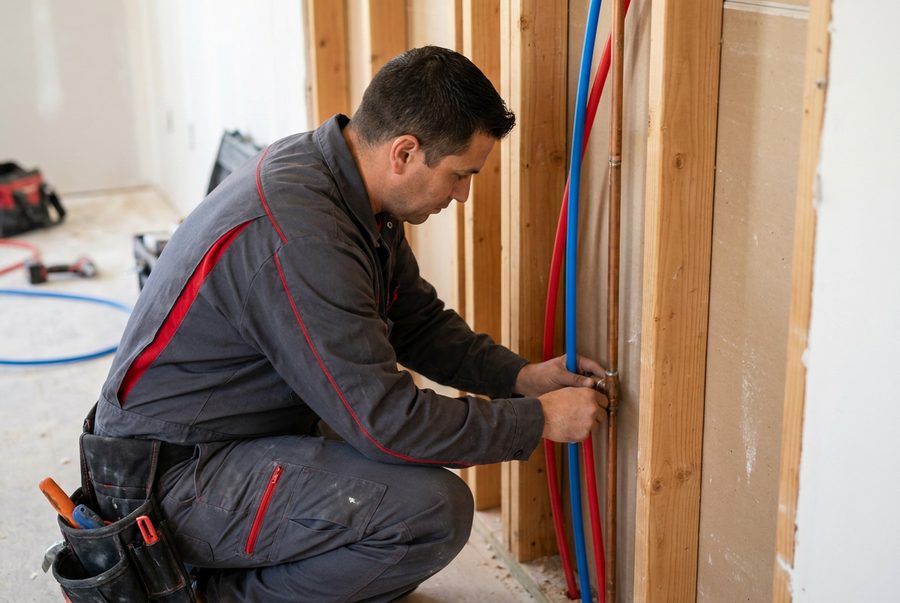
We map the new runs to keep wall and ceiling access to a minimum.
New supply lines installed to code with new shutoffs and connections at each fixture.
Where a permit applies we pull it and coordinate the inspection.
The system is pressure tested and access points are patched back.
From First Call to Final Cleanup
We provide a clear arrival window and confirm your contact information.
Our technician reviews the issue with you and explains the findings in plain language.
We outline your options with a straightforward estimate before any work begins.
We finish the work, test the system, and review tips that help prevent a repeat.
Signs a Home Needs Repiping
One leak is a repair. This list is what a system at the end of its life looks like.
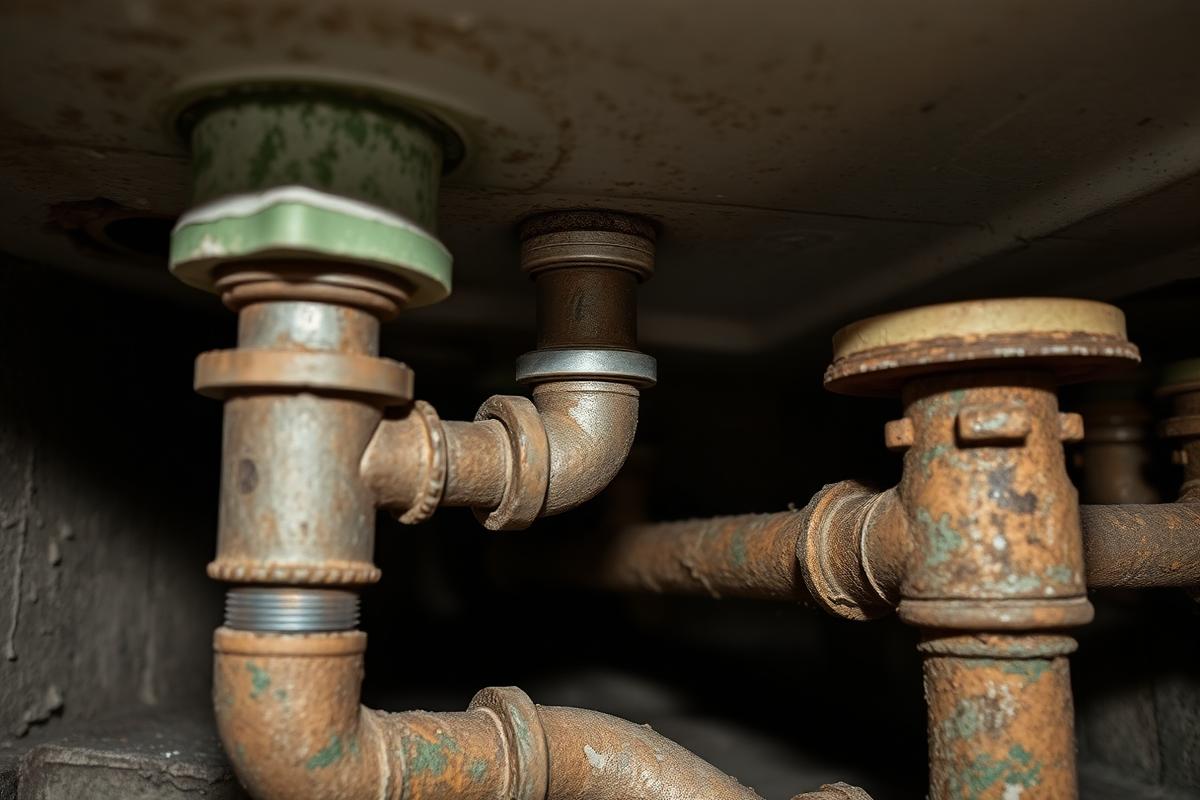
Corrosion narrows galvanized pipe from the inside until flow suffers at every fixture.
Rusty or brown water on both hot and cold usually means the pipe itself is deteriorating.
Multiple pinholes in the same system means the whole run has thinned, not just that spot.
Galvanized supply lines in a mid century home are past their service life by any measure.
Severe drops with simultaneous use point at restricted internal diameter.
Repiping during a remodel avoids paying twice to open the same walls.
Why Supply Pipe Fails Here
Galvanized steel corrodes from the inside out. The zinc coating wears away, rust builds inward, and by the time pressure drops noticeably the internal diameter can be a fraction of what it was.
Las Vegas draws from the Colorado River, and that water is hard. Scale builds inside pipes, heaters and fixtures a little at a time, which is why equipment here often needs attention earlier than the manufacturer's average suggests.
Copper fails differently, through pinholing driven by water chemistry, velocity and stress points. Once a system starts producing pinholes, more follow, which is why a repipe often costs less than three years of repairs.
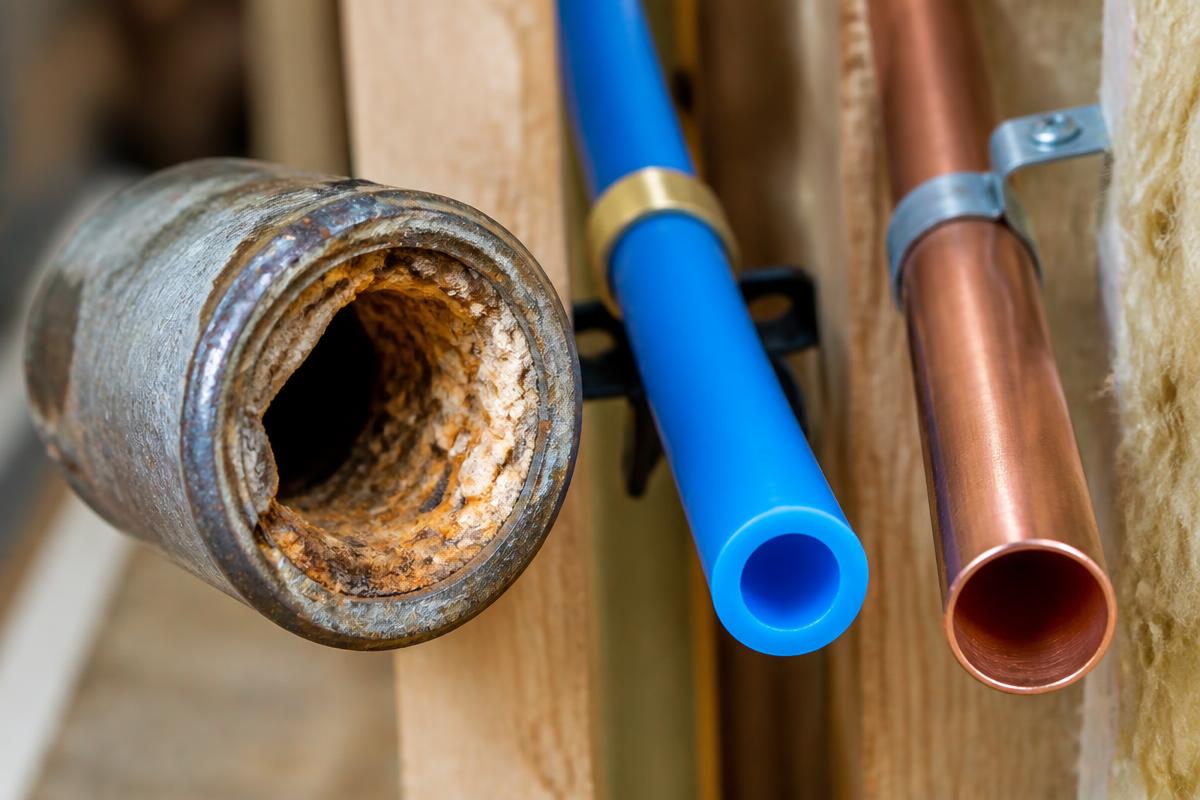
One pinhole is a repair. Three in a year is a system telling you it is finished.
What Affects the Cost of Piping & Repiping
Every property is different, so we look before we quote. Here is what actually moves the number.
Fixture count and the number of runs are the primary drivers of a repipe price.
Material choice affects both cost and installation time, and we explain the trade-offs.
How easily we can reach the pipe, fixture or unit changes the labor involved more than almost anything else.
Drywall patching and finishing after the pipe work is itemized so you can see it separately.
You get a free inspection and a straightforward written estimate before any work begins. Honest, upfront pricing with no hidden fees and no surprises later.
What Las Vegas, NV Customers Say About Our Piping & Repiping
Serving Clark County and Henderson
We work on homes and light commercial properties across the valley. Do not see your city listed? Give us a call.
Tired of Patching the Same Pipes?
Book a whole home piping evaluation and we will tell you straight whether a repair or a repipe makes sense.
Frequently Asked Questions
Most single family homes take two to four days depending on size and access, and water is restored at the end of each working day wherever possible. We give you a day by day schedule with the estimate.