Leak Detection & Repair Service in Las Vegas, NV
A water bill that jumped, a warm spot on the floor, a stain on a ceiling. Hidden leaks waste water and damage the structure quietly. We locate them with the least invasive method that will work, then repair what we find.
Locating Hidden Leaks Without Guesswork
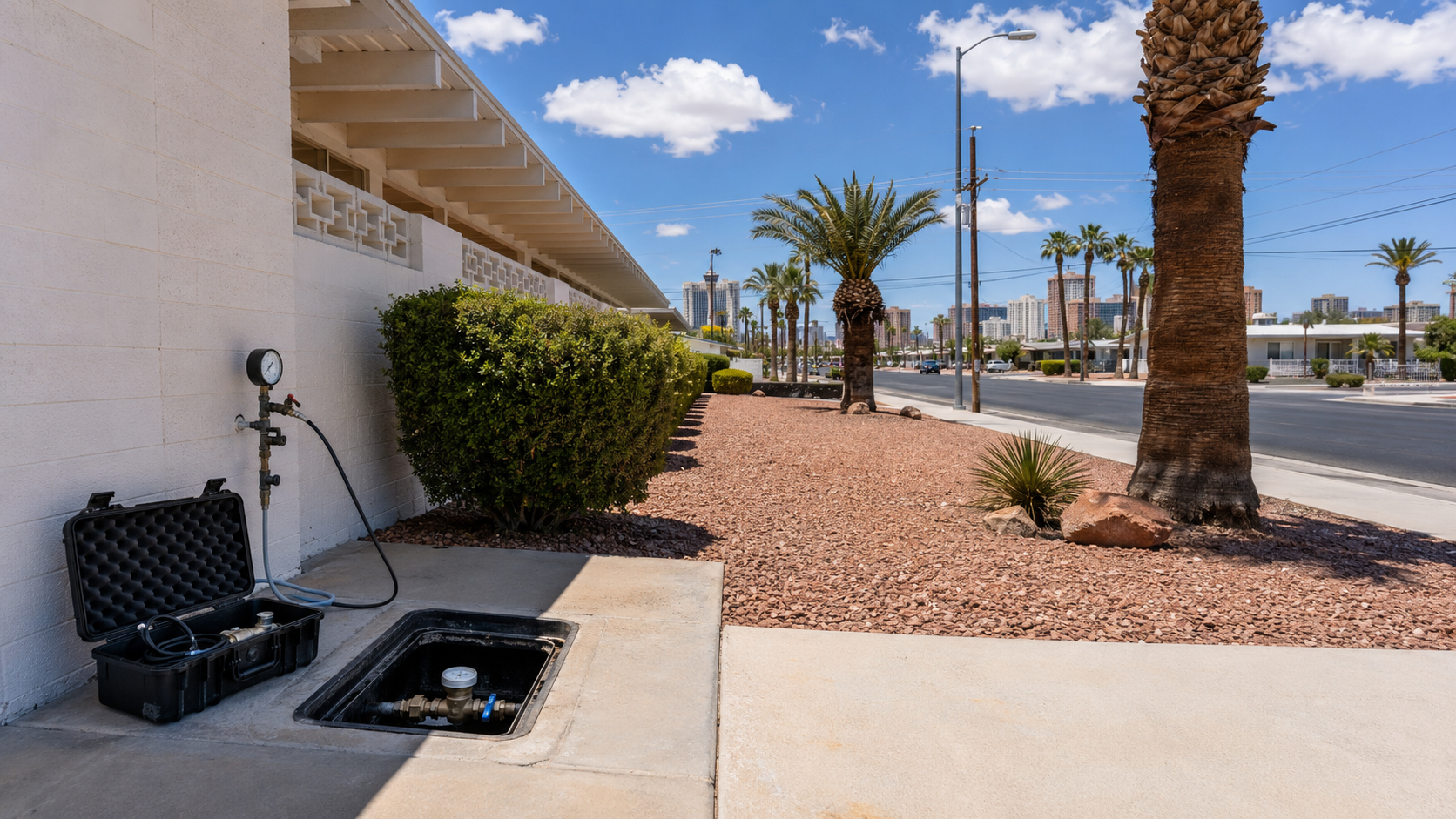
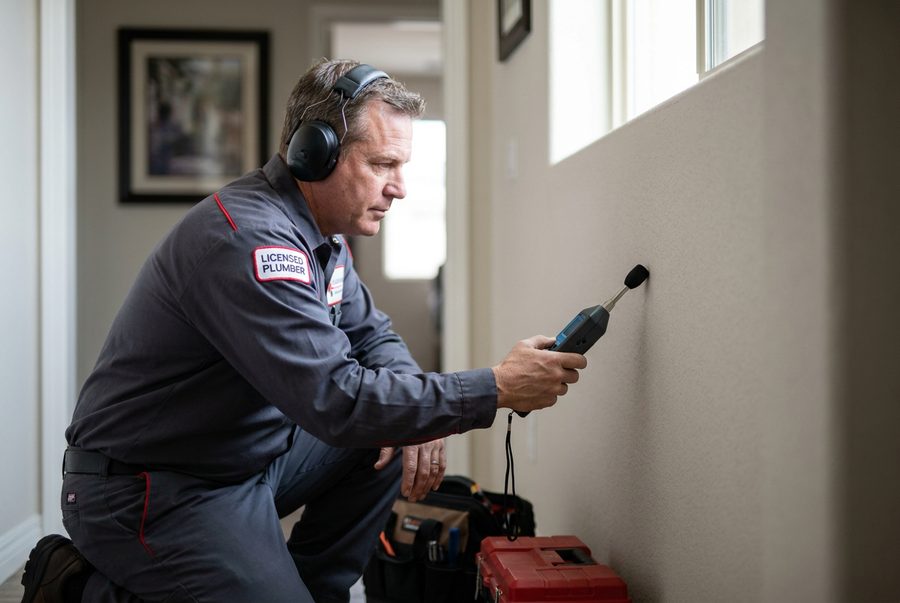
The point of leak detection is to open the smallest possible hole in the right place. We use pressure testing, acoustic listening, thermal imaging and moisture metering to narrow the location before anything is cut, because the alternative is exploratory demolition.
Slab leaks are common in the valley's older neighborhoods, where copper run through the slab has spent decades in contact with shifting caliche and hard water. Finding one early is the difference between a targeted repair and a flooring replacement.
- Slab leak location
- Pressure and isolation testing
- Acoustic and thermal detection
- Wall, ceiling and underground leaks
- Repair or reroute options
- Free inspections and estimates
What a Leak Detection & Repair Visit Covers
No two properties are identical, so we match the work to what we actually find on site.
We start with the symptoms you have noticed, then decide whether a camera, moisture meter or pressure test is needed.
We confirm there is a leak and isolate which system it is on before searching for it.
Specialized equipment picks up the sound of water escaping under a slab or behind a wall.
Temperature differences reveal a hot water slab leak without touching the floor.
Meter readings across the area define the true extent of what has already got wet.
Targeted repair where access allows, or a reroute where the pipe run is the problem.
From First Call to Final Cleanup
We provide a clear arrival window and confirm your contact information.
Our technician reviews the issue with you and explains the findings in plain language.
We outline your options with a straightforward estimate before any work begins.
We finish the work, test the system, and review tips that help prevent a repeat.
Signs of a Hidden Leak
Hidden leaks show up as symptoms elsewhere in the house long before you see water.
An unexplained increase with no change in habits is the most reliable early indicator there is.
That is a hot water slab leak until proven otherwise, and it will not improve on its own.
If you can hear water when nothing is on, something is flowing where it should not be.
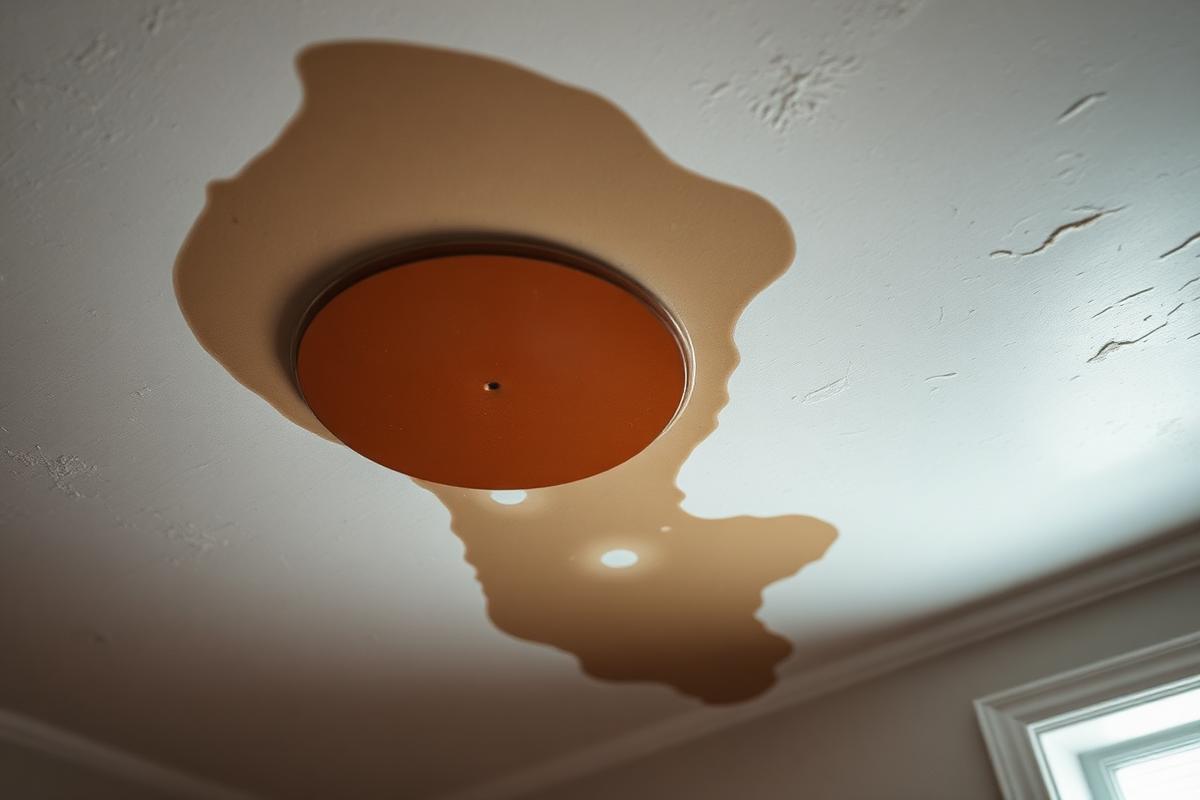
Ceiling and wall discoloration means water has been present long enough to soak through.
Persistent damp odor with no visible source usually means moisture inside the structure.
A loss of pressure at the fixtures can indicate an escape somewhere in the supply run.
Why Leaks Happen in Las Vegas Homes
Slab construction plus decades-old copper is the classic valley combination. Copper in direct contact with concrete and soil corrodes at points of stress, and once it pinholes the leak is under the floor.
The valley sits on caliche and soil that shifts with heat and the occasional heavy monsoon. Buried lines get pulled slightly out of alignment, and that is usually where a problem starts rather than in the middle of a straight run.
Las Vegas draws from the Colorado River, and that water is hard. Scale builds inside pipes, heaters and fixtures a little at a time, which is why equipment here often needs attention earlier than the manufacturer's average suggests.
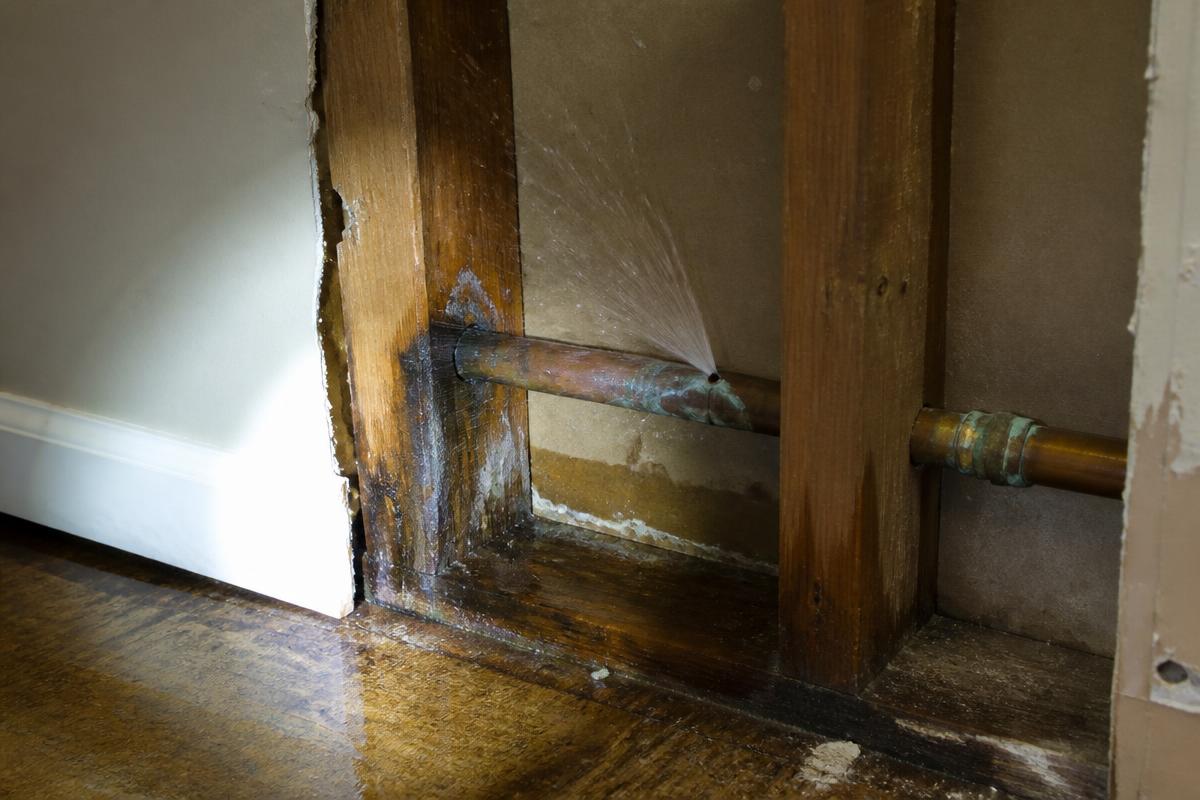
A warm patch on the floor is a slab leak until a test says otherwise. It does not get better with time.
What Affects the Cost of Leak Detection & Repair
Every property is different, so we look before we quote. Here is what actually moves the number.
A leak under an open slab area is faster to pin down than one under cabinetry or tile.
How easily we can reach the pipe, fixture or unit changes the labor involved more than almost anything else.
A spot repair, a reroute above the slab and a repipe are three different scopes.
How much floor, wall or hardscape has to be opened and put back changes the total.
You get a free inspection and a straightforward written estimate before any work begins. Honest, upfront pricing with no hidden fees and no surprises later.
What Las Vegas, NV Customers Say About Our Leak Detection & Repair
Serving Clark County and Henderson
We work on homes and light commercial properties across the valley. Do not see your city listed? Give us a call.
Track Down the Leak Before the Damage Grows
We locate hidden leaks with the least demolition possible, then repair and show you exactly what we found.
Frequently Asked Questions
We isolate the system with a pressure test to confirm which line is losing water, then use acoustic listening and thermal imaging to narrow the position to a small area. Only then does anything get opened, which is what keeps the repair small.