Sewer & Pipe Repair Service in Las Vegas, NV
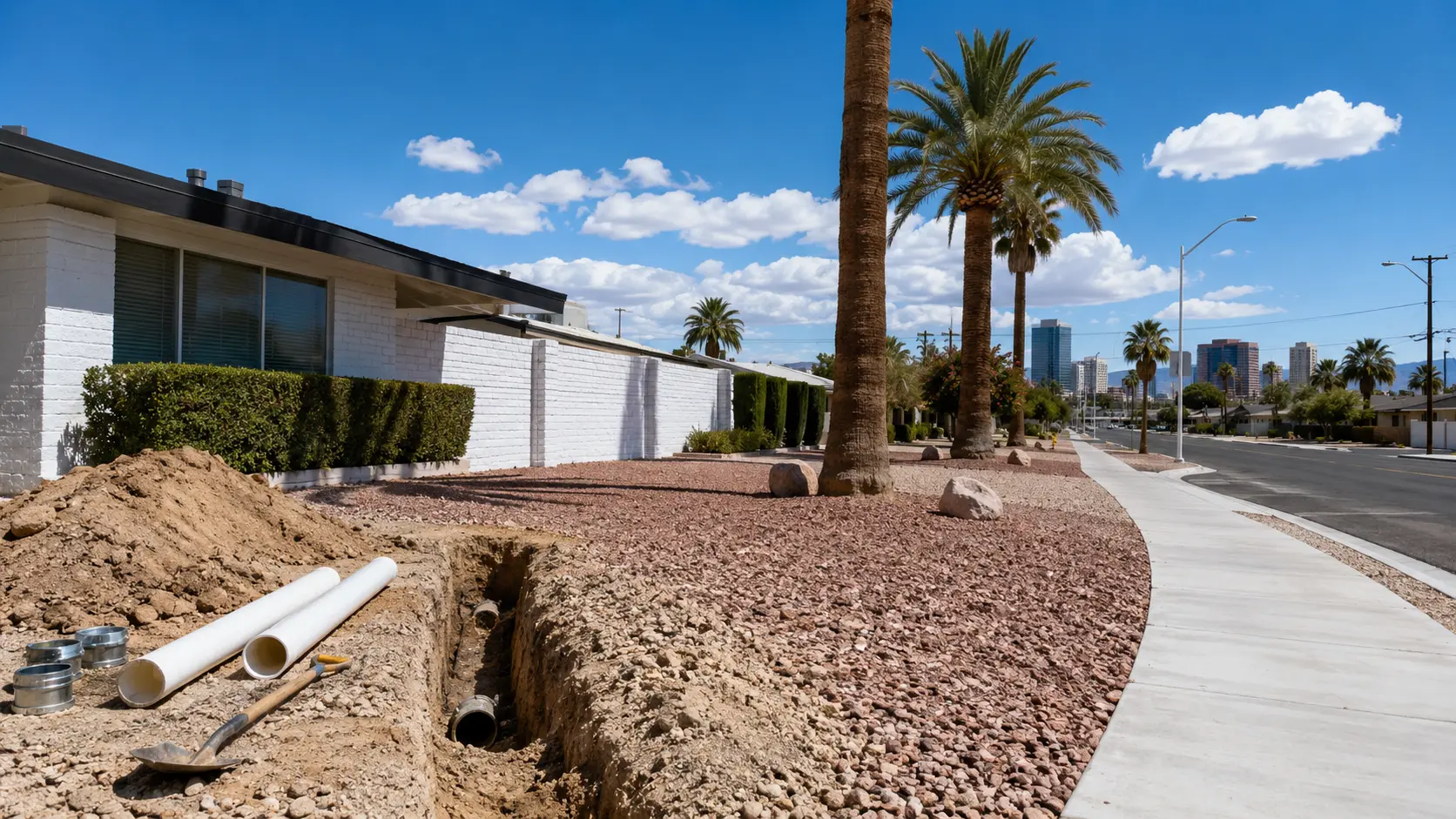
The sewer lateral is the one line every fixture in the house depends on. We inspect, locate, clean and repair main lines across Las Vegas, and we camera the pipe before recommending anything, so a repair quote is based on what is actually in the ground.
Everything That Happens Between Your House and the City Main
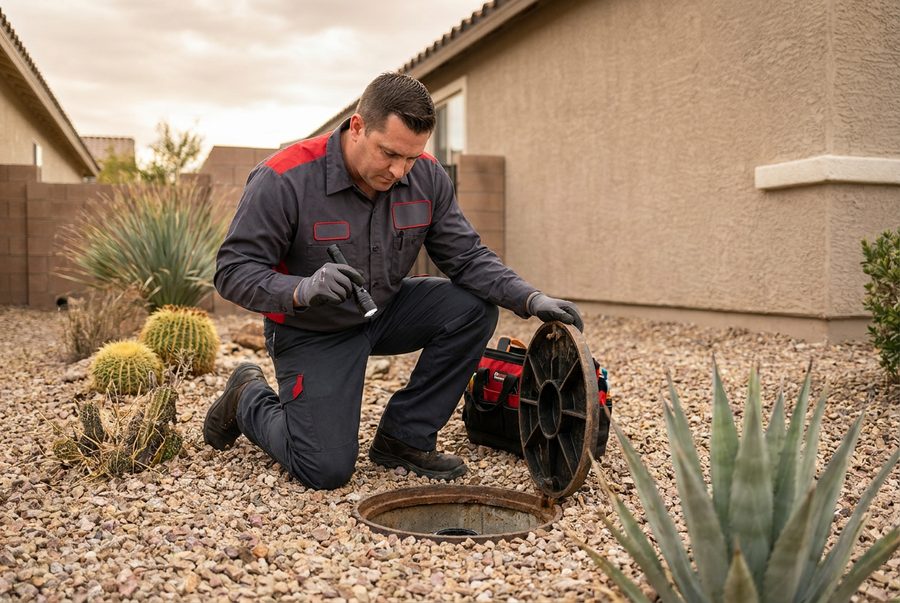
Sewer work covers a wide range: clearing a backup, running a camera to find why it happened, locating the exact depth and position of a fault, and repairing or replacing the section that failed. We do all of it, and we keep you in the loop at each step.
The rule we hold to is simple. No repair recommendation without a camera run first. Sewer repairs are significant work, and you should be able to see the same footage we are looking at before you spend money on it.
- Sewer camera inspection
- Line locating and depth marking
- Backup clearing and jetting
- Spot repairs and full replacement
- Trenchless options where suitable
- Free inspections and estimates
Sewer & Pipe Repair We Handle
Pick the service that matches what you are dealing with, or call and we will point you to the right fix.
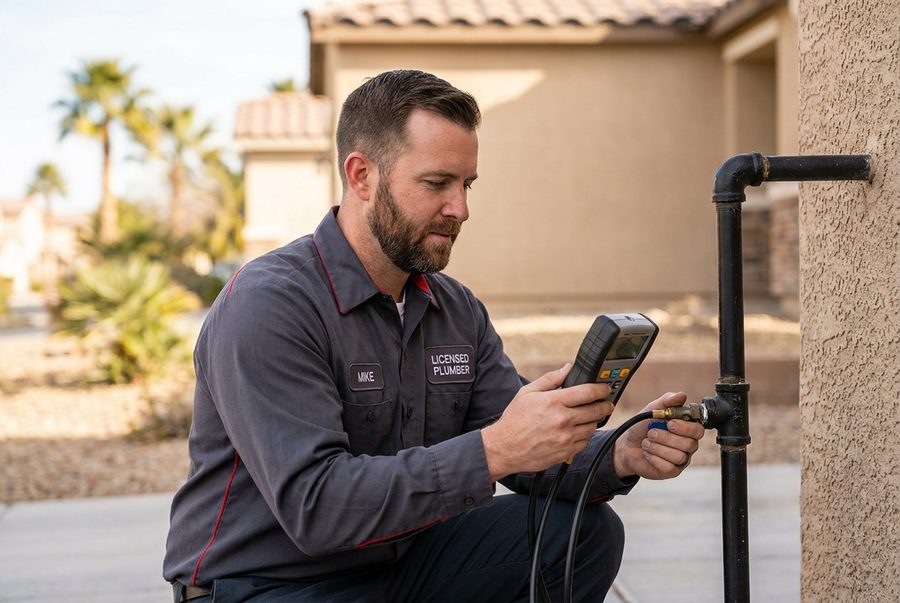
What a Sewer & Pipe Repair Visit Covers
No two properties are identical, so we match the work to what we actually find on site.
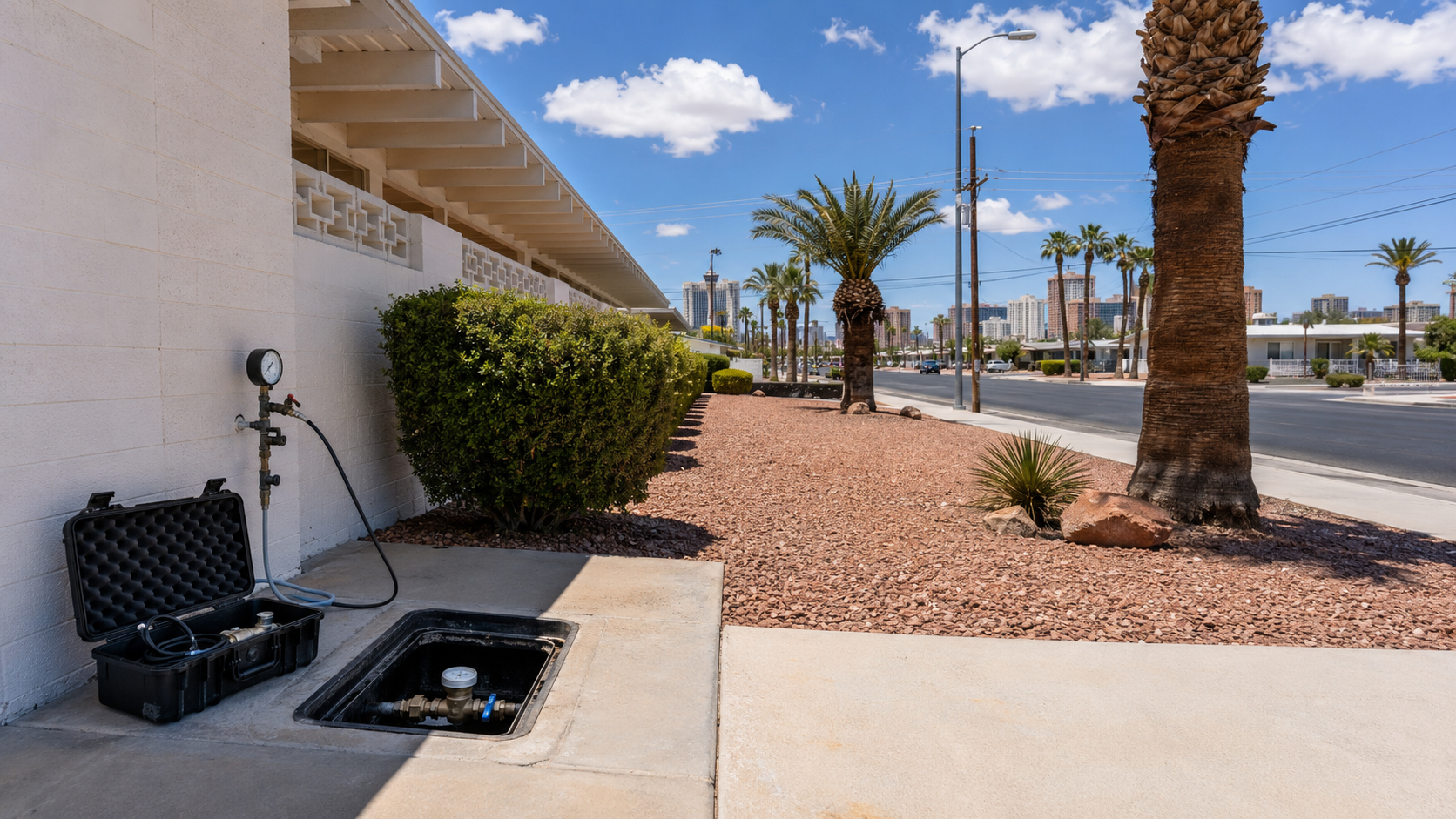
We start with the symptoms you have noticed, then decide whether a camera, moisture meter or pressure test is needed.
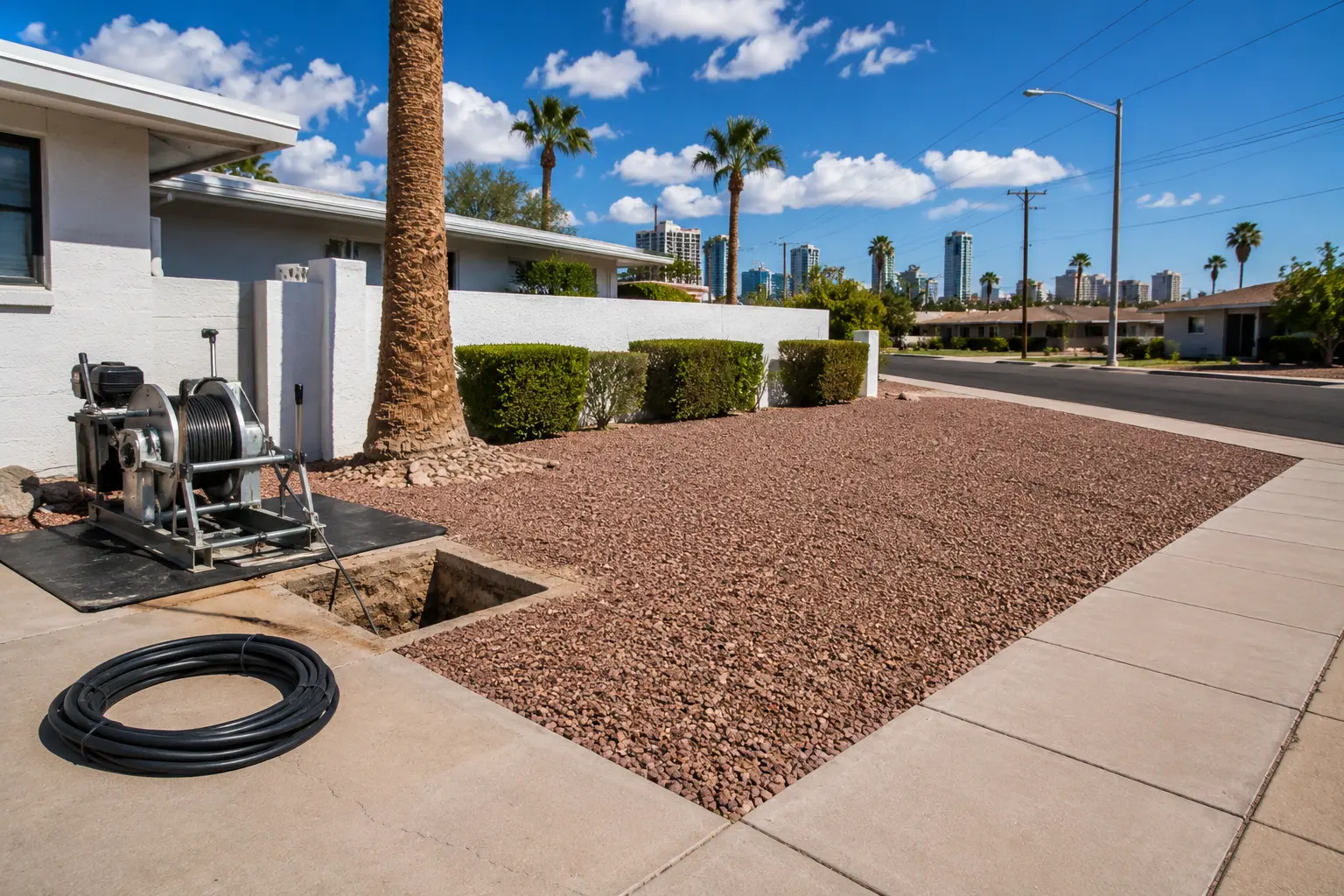
We run the camera from the cleanout to the city connection and show you what it finds.
Where there is a fault we mark its position and depth on the surface before any digging is discussed.
Cabling or jetting restores flow so the inspection shows the pipe rather than the blockage.
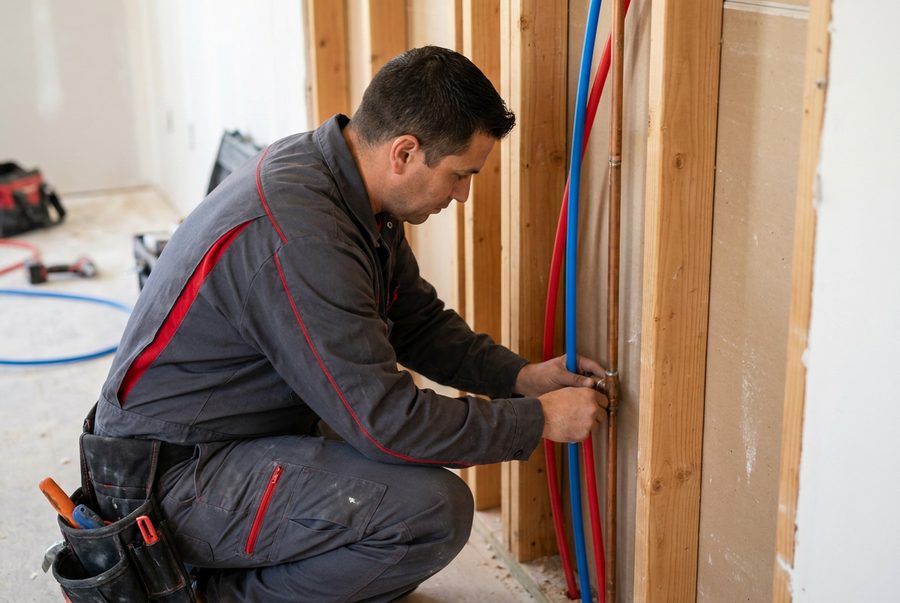
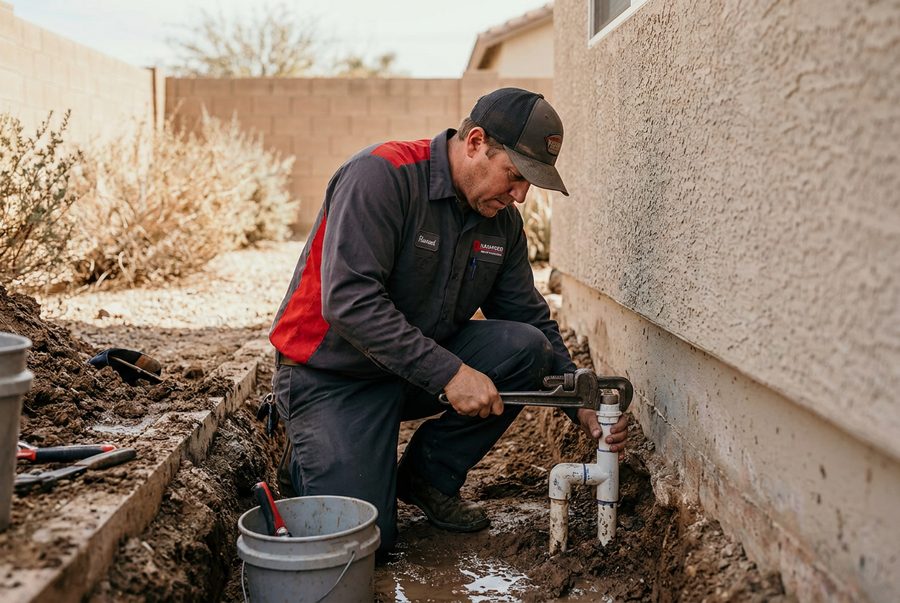
Spot repair, trenchless replacement or full dig, we lay out what each involves and what it costs.
You see the price and the options in writing before any work starts, so nothing about the bill is a surprise.
From First Call to Final Cleanup
We provide a clear arrival window and confirm your contact information.
Our technician reviews the issue with you and explains the findings in plain language.
We outline your options with a straightforward estimate before any work begins.
We finish the work, test the system, and review tips that help prevent a repeat.
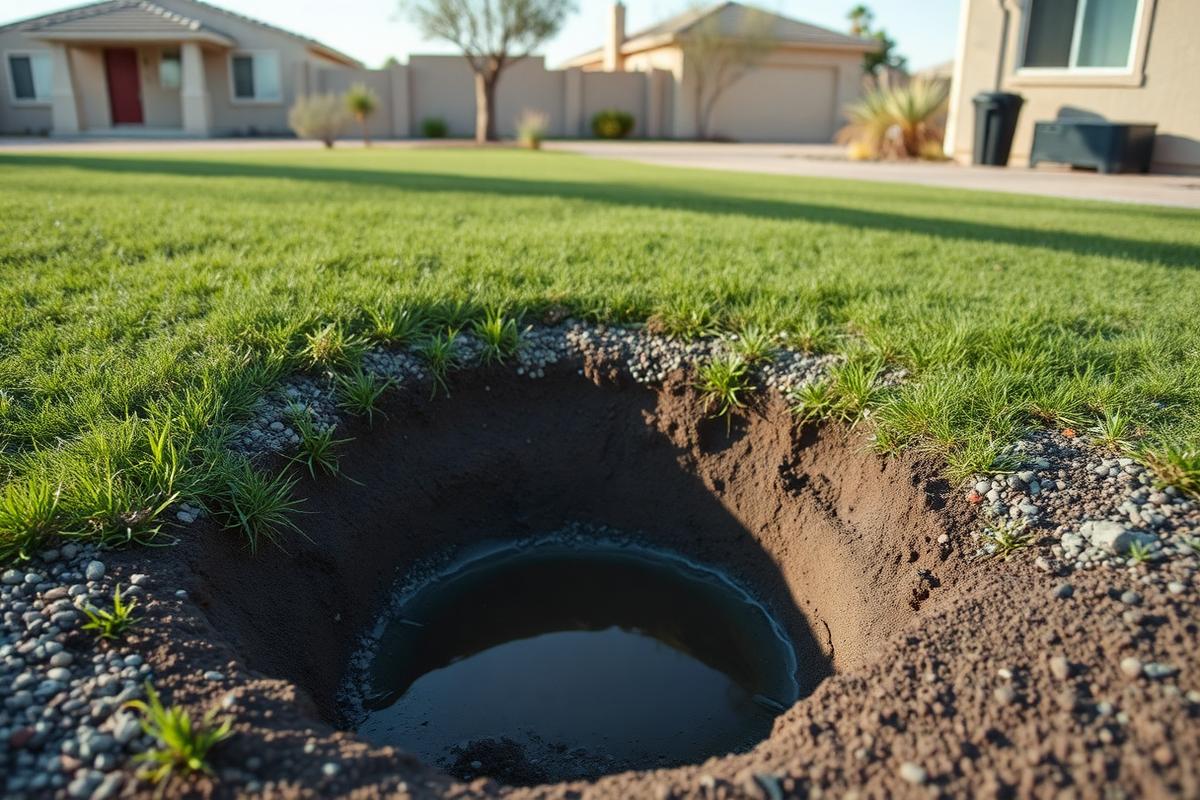
Signs the Main Line Needs Attention
Sewer problems show up as household symptoms long before anything reaches the yard.
Toilets, tubs and floor drains backing up together almost always means the main line, not a branch.
Air pushed back through the trap is a classic early main line symptom.
A lush line across the yard often traces the leaking sewer lateral underneath it.
Smell around the yard or the cleanout means waste is escaping somewhere between house and main.
Soggy ground with no irrigation explanation is worth a camera run before it undermines a slab.
Two clears in a year means something structural. A camera tells you what.
What Goes Wrong With Sewer Lines Here
Roots are the most common cause in older neighborhoods. They find moisture at a joint, work in through a hairline gap, and grow into a mass that catches everything passing by.
The valley sits on caliche and soil that shifts with heat and the occasional heavy monsoon. Buried lines get pulled slightly out of alignment, and that is usually where a problem starts rather than in the middle of a straight run.
Age and material matter too. Cast iron laid mid century corrodes from the inside and loses diameter, and early plastic can crack under settling. A camera run tells us which of these we are dealing with in minutes.
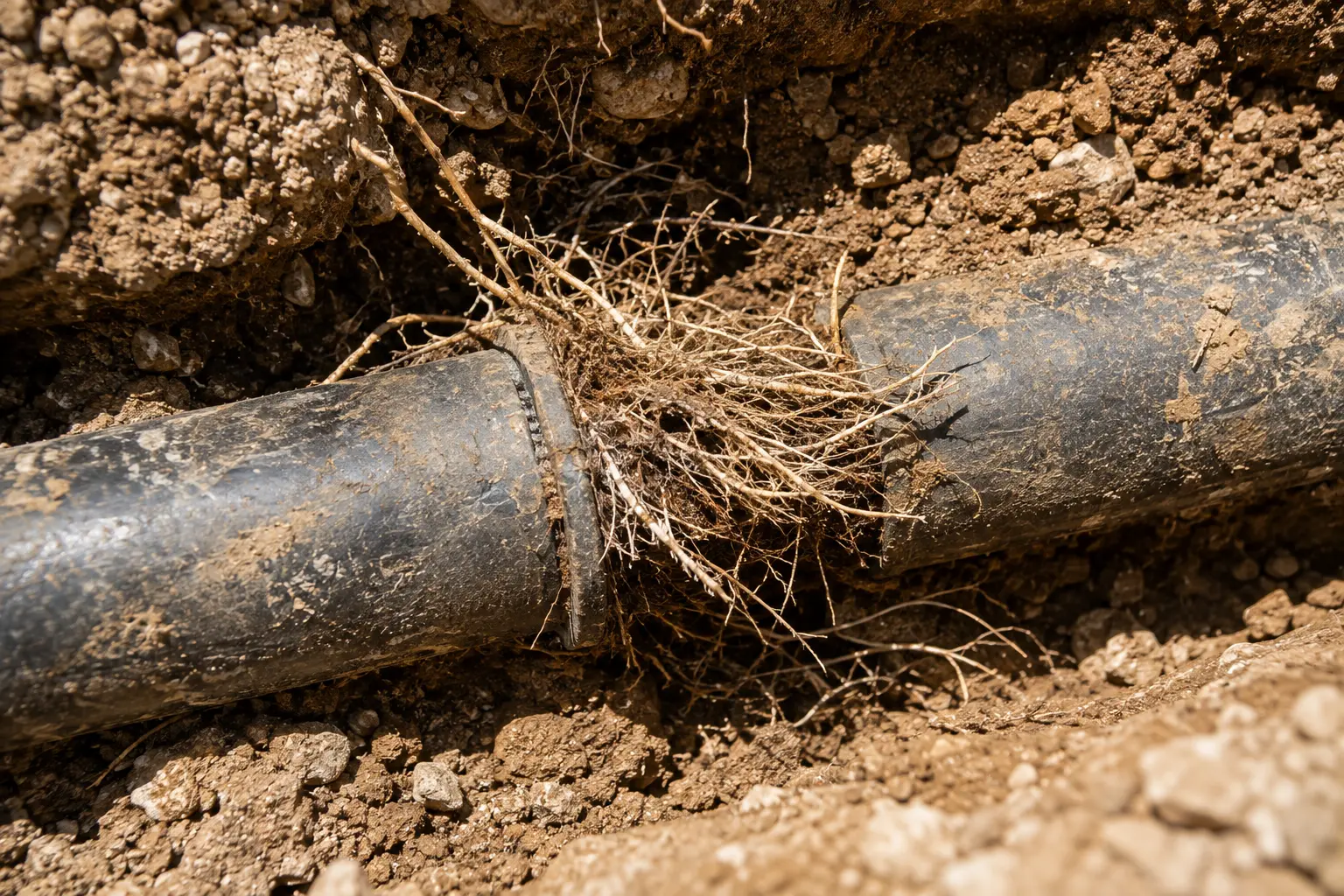
Bellies, roots and breaks all cause the same symptom. Only a camera tells you which one you are paying to fix.
What Affects the Cost of Sewer & Pipe Repair
Every property is different, so we look before we quote. Here is what actually moves the number.
A shallow twenty foot lateral and a deep hundred foot run are very different jobs.
A contained fix and a full replacement are different jobs, and we show you which one the inspection supports.
Trenchless methods cost more per foot but far less in landscaping, driveway and restoration work.
Some replacements require a permit and a municipal inspection, and we handle that paperwork.
You get a free inspection and a straightforward written estimate before any work begins. Honest, upfront pricing with no hidden fees and no surprises later.
What Las Vegas, NV Customers Say About Our Sewer & Pipe Repair
Serving Clark County and Henderson
We work on homes and light commercial properties across the valley. Do not see your city listed? Give us a call.
Find Out What Your Sewer Line Is Doing
Schedule a camera inspection and see the inside of your main line before you commit to any repair.
Frequently Asked Questions
Most residential inspections take under an hour once there is clear access to a cleanout. If the line is blocked we clear it first, because a camera cannot see through standing waste.