Water Heater Installation Service in Las Vegas, NV
A replacement water heater should be sized for how your household actually uses hot water, installed to current code, and left with the venting, connections and safety devices right. That is what a standard install day looks like with us.
Standard Gas and Electric Installs, Usually in One Visit
We size the unit to the household rather than simply matching what was there. Bedroom count, fixture count and how the family's hot water demand clusters through the day all feed into the recommendation, and we explain the trade-offs before ordering anything.
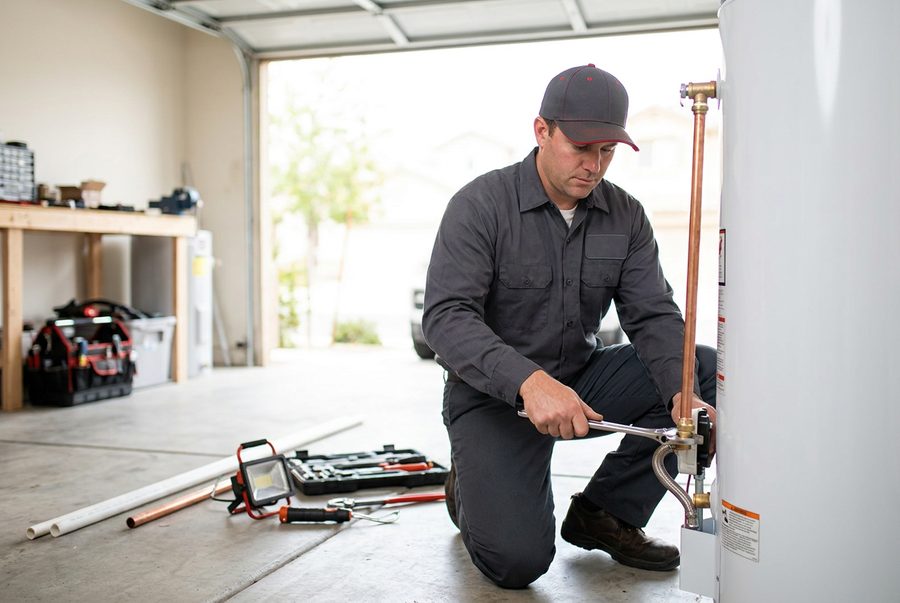
The install includes safe removal and disposal of the old unit, new connections, expansion tank and strapping where required, correct venting on gas units, and a full test at temperature before we leave. Then we show you the shutoffs and the flush procedure.
- Correct sizing for the household
- Old unit removal and disposal
- New connections and shutoffs
- Expansion tank and strapping
- Venting to current code
- Full test before we leave
What a Water Heater Installation Visit Covers
No two properties are identical, so we match the work to what we actually find on site.
Capacity and recovery matched to how the household actually uses hot water.
Drained, disconnected and hauled away as part of the job.
Supply lines, shutoff and dielectric unions installed correctly rather than reused.
Expansion tank, strapping, drain pan and venting to current requirements.
On gas units we verify venting and draft before signing off.
We test the system under normal use, leave the space as we found it, and review what will help keep it that way.
From First Call to Final Cleanup
We look at the existing setup, the space and your hot water demand, then recommend a unit.
Model, capacity, code upgrades and the total price, in writing, before anything is ordered.
The old unit is drained and removed, and the new one is set, connected and vented to code.
We bring it to temperature, verify operation, and show you the shutoffs and maintenance points.
When It Is Time to Replace
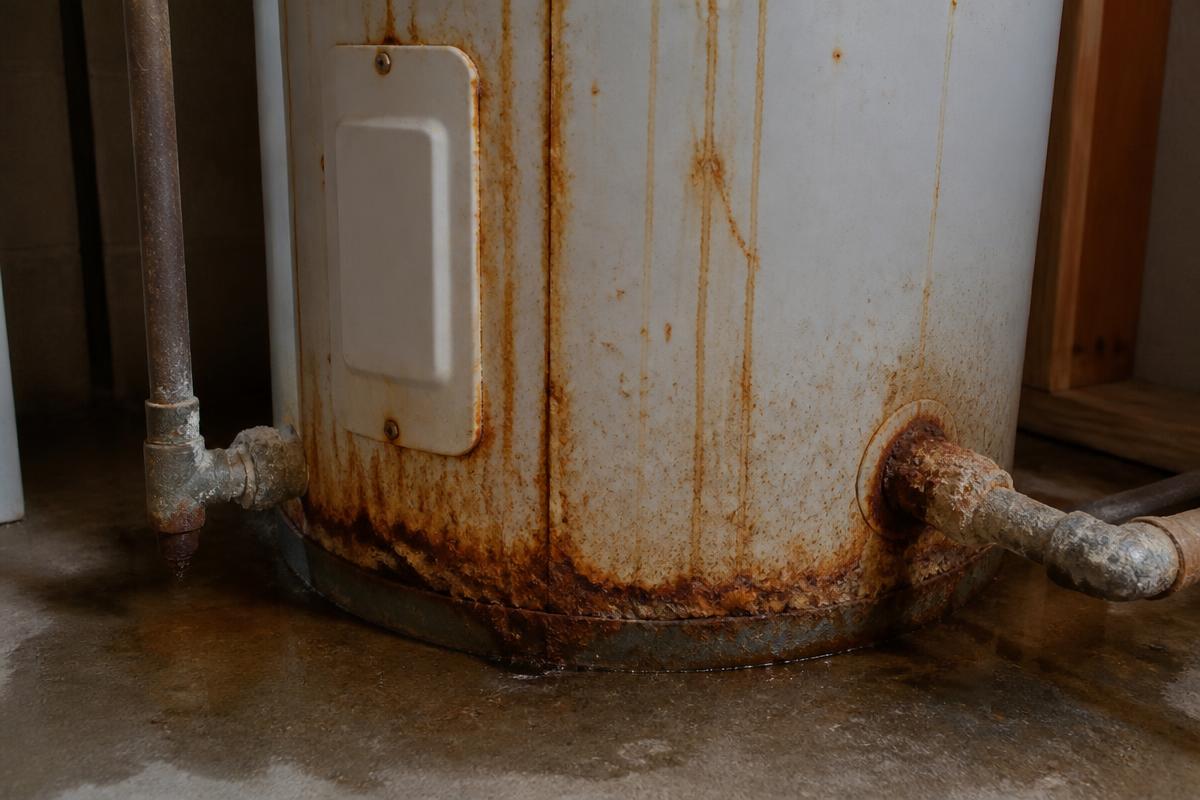
These are the situations where a new unit costs less than continuing to nurse the old one.
A leaking tank cannot be repaired. The steel has failed and it will only get worse.
In this valley's water, a heater beyond a decade is on borrowed time.
Corrosion inside the tank means the lining and the anode have both given up.
Two service calls in a year on the same unit usually means the next one is worth putting toward a replacement.
If the unit was undersized from the start, no repair fixes it. A correct size does.
Modern high efficiency units use meaningfully less energy than a fifteen year old tank.
What Affects the Cost of Water Heater Installation
Every property is different, so we look before we quote. Here is what actually moves the number.
Gas or electric, tank size and efficiency rating are the largest part of the total.
How easily we can reach the pipe, fixture or unit changes the labor involved more than almost anything else.
Expansion tank, pan, strapping or venting updates on older installations get itemized separately.
Removal and responsible disposal are included and shown on the estimate.
You get a free inspection and a straightforward written estimate before any work begins. Honest, upfront pricing with no hidden fees and no surprises later.
What Las Vegas, NV Customers Say About Our Water Heater Installation
Serving Clark County and Henderson
We work on homes and light commercial properties across the valley. Do not see your city listed? Give us a call.
Ready for a New Water Heater?
We size the unit to your household, handle the permit and haul the old tank away with the install.
Frequently Asked Questions
It depends on household size and how your hot water use clusters. A four person home with morning showers back to back needs different recovery from a two person home. We size it with you rather than defaulting to whatever was there before.