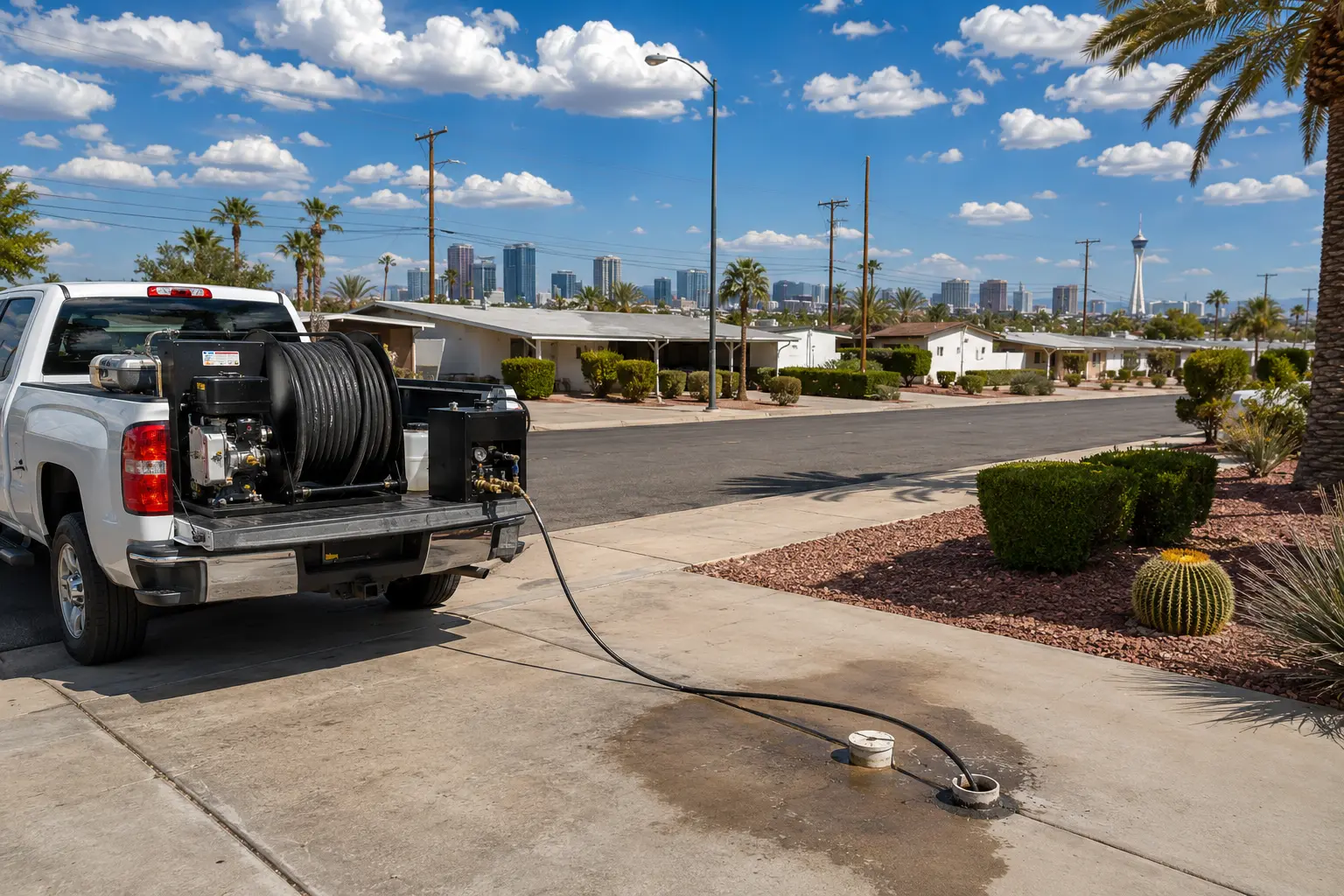
A sewer backup is the one plumbing failure that does real damage in minutes. Wastewater that cannot leave the property comes back in through the lowest opening it can find.
The good news is that backups give warning. Almost every one we respond to had weeks of small signs before the day it flooded a hallway.
- Grease is the most common cause in valley homes
- Tree roots find pipe seams even in a desert yard
- Wipes labeled flushable are not flushable
- Repeat backups after cleaning mean structural damage
How A Sewer Backup Actually Happens
Every drain in the house feeds one main line that runs out to the municipal sewer. Restrict that line and the wastewater has nowhere to go but back toward the house.
Depending on the cause it can build slowly over months or hit in one afternoon. The signs are the same either way.
- Several drains slowing down at once
- Toilets gurgling when no one is using them
- Bubbling from a shower drain during a wash cycle
- Water rising into a tub or shower pan
- Sewage odor inside the house or near the cleanout
Grease And Debris Buildup
Cooking grease goes down warm and liquid, then cools and sticks to the pipe wall a few feet down the line. Everything that passes afterward, coffee grounds, rice, soap, hair, sticks to it.
The kitchen line is usually where it starts, but the deposit keeps growing toward the main. Scraping pans into the trash and running plenty of cold water helps, though it does not undo what is already there.
Tree Root Intrusion
Landscaping in the valley is thirsty, and roots follow moisture. A sewer line with a hairline crack or a slightly loose joint leaks just enough vapor to attract them.
Once a root tip is inside it thickens into a mat that catches paper and grease. Cutting the roots restores flow for a season, but the entry point is still there until the pipe is repaired or lined.
- Backups that return every few months
- Drainage that is fine in the morning and slow at night
- Sunken or unusually green ground along the sewer path
Aging And Damaged Sewer Pipe
Older valley homes often have cast iron or clay in the ground. Both go rough and brittle with age, and caliche soil shifting after a hard monsoon can offset a joint or crack a section outright.
A damaged pipe collects debris at the damaged spot. If a line backs up again soon after a professional cleaning, the pipe, not the debris, is the problem.
Flushing Things That Do Not Belong
Only human waste and toilet paper break down in a sewer line. Everything else stays intact and waits for something to snag on.
- Flushable wipes, which do not break down
- Paper towels and facial tissue
- Feminine products and cotton swabs
- Dental floss, which wraps around roots
- Cat litter, even the flushable kind
What A Camera Inspection Tells You
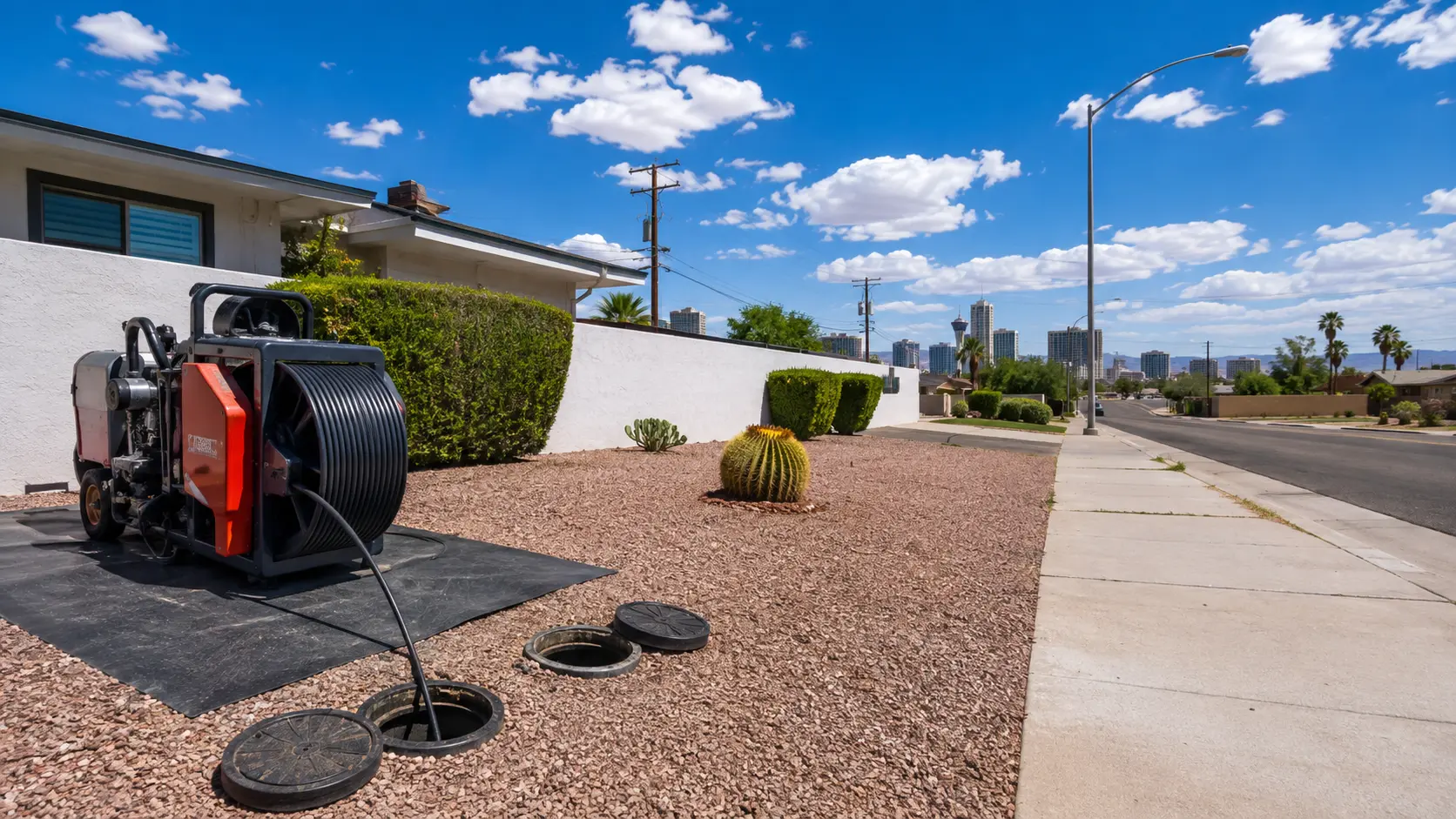
Before spending money on a repair, you should know what you are repairing. A camera run shows the material, the condition, the depth of the problem and whether it is buildup or a broken pipe.
From there the fix is either a cleaning, a spot repair, or a trenchless replacement that spares the driveway and the landscaping.