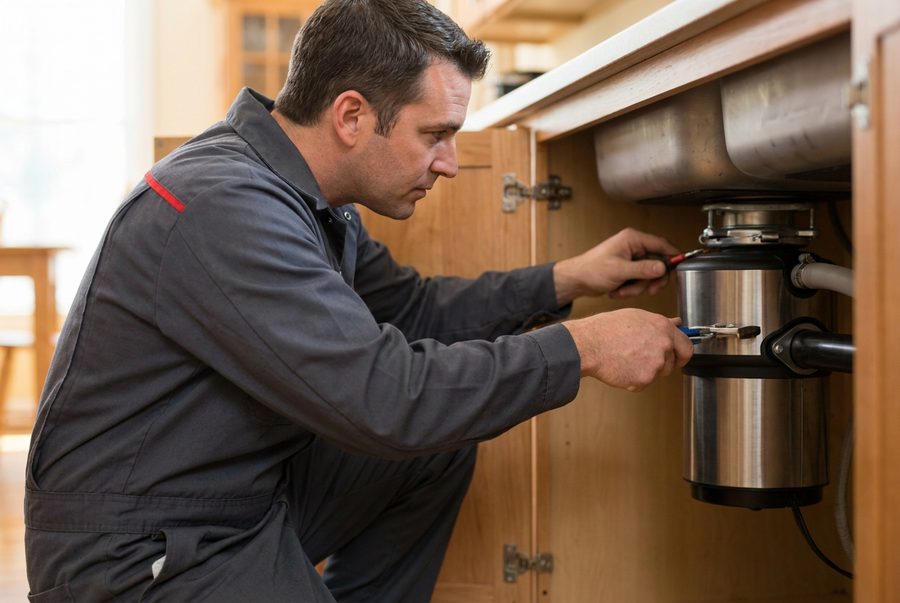
Drain calls spike every year between Thanksgiving and New Year, and the reason is simple arithmetic. More cooking, more grease, more guests and more flushes in a system that was already close to its limit.
None of the prevention is complicated. It just has to happen before the house fills up.
- Grease belongs in the trash, never in the drain
- The disposal is not a compost bin
- Run cold water before, during and after disposal use
- Clear a known slow drain before the guests arrive
Grease Is The Number One Culprit
Turkey drippings, bacon fat and pan oil pour like liquid and set like candle wax a few feet down the line. Hot water only moves the problem further along.
Pour cooled grease into a can or jar, let it solidify and throw it away. Wipe greasy pans with a paper towel before they hit the sink.
What Not To Put In The Disposal
- Potato peels and other starchy scraps that turn to paste
- Celery, artichoke and corn husks with long fibers
- Rice and pasta, which keep swelling after they are down
- Coffee grounds and eggshells, which pack into sludge
- Bones and fruit pits, which are for the trash
Habits That Keep The Line Moving
- 1Run cold water for a few seconds before you turn the disposal on
- 2Feed scraps in gradually rather than all at once
- 3Keep the water running for 20 to 30 seconds after the grinding stops
- 4Scrape plates into the trash first, always
Do Not Forget The Bathrooms
A full house means several times the normal load on the bathroom drains and toilets. Put a basket of wipes out and a trash can next to the toilet, because flushable wipes are the most common holiday sewer call we get.
Space out showers by ten or fifteen minutes. It gives the drain line and the water heater both a chance to keep up.
Handle Known Problems Early
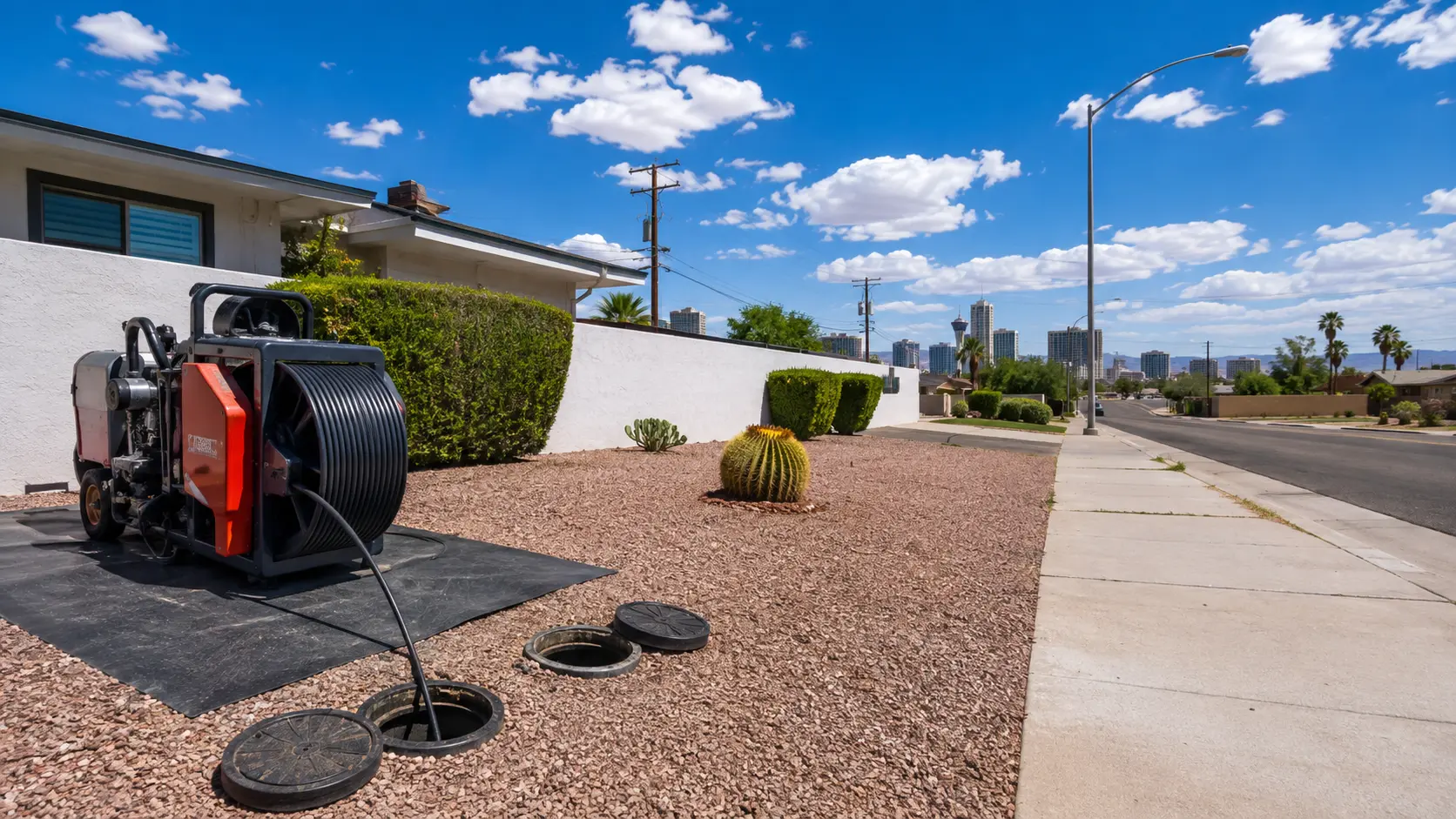
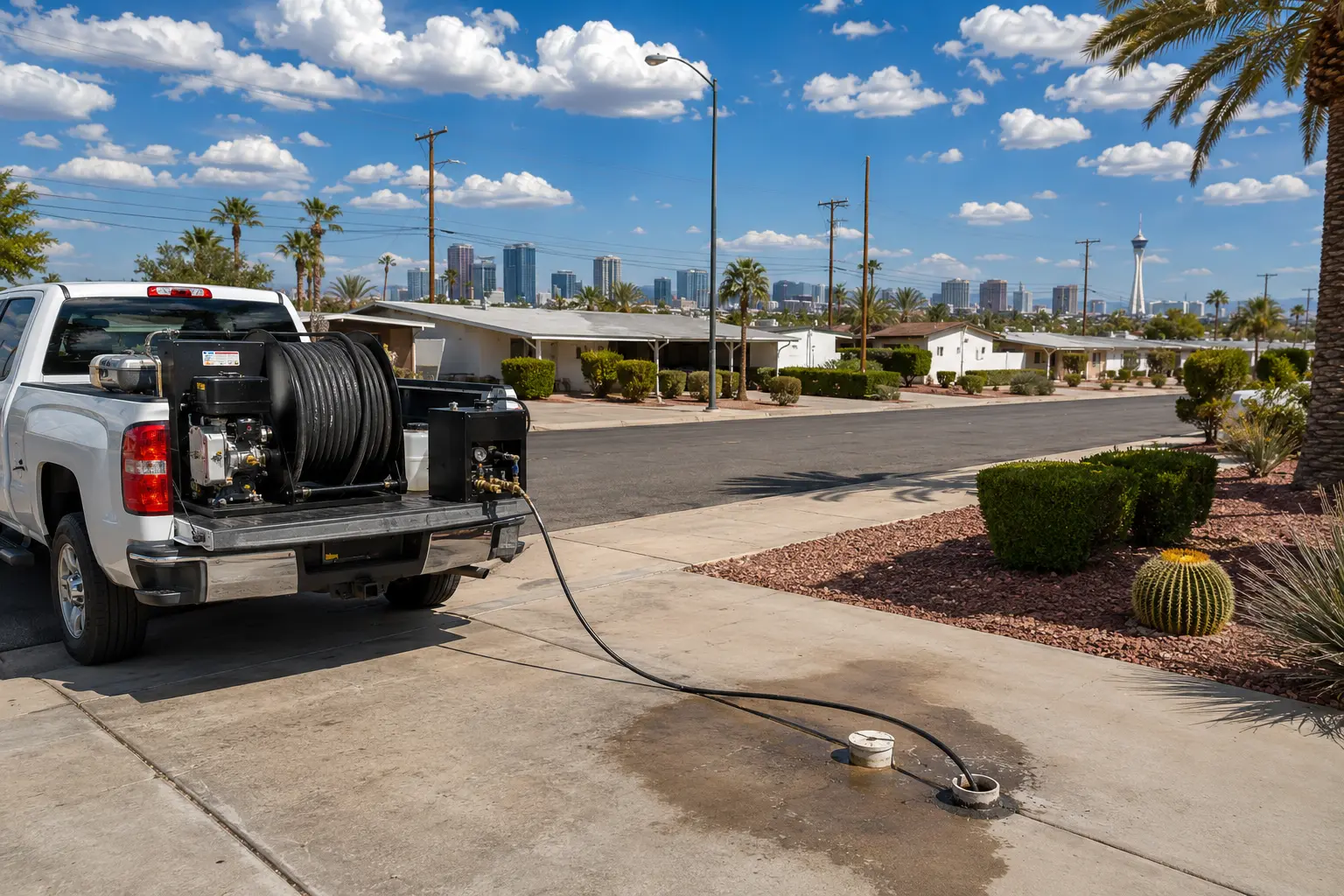
If a drain has been slow since October, it will fail on the day you have twelve people over. Clearing it in advance costs less than an emergency call and takes an ordinary appointment slot.