A hidden leak can waste hundreds of gallons before anything visible happens. Most start as a pinhole and stay quiet for months.
You do not need equipment to catch one early. You need to know which ordinary household details are actually symptoms.
- The meter test settles it in two hours with no tools
- A warm patch on a slab floor is a hot line leaking
- Musty smell means water has been there a while
- Cracks that follow the pipe route are not settling
Start With The Bill And The Meter
An unexplained jump in water usage is usually the first hard evidence. Compare against the same month last year rather than last month, since irrigation swings the number seasonally.
Then confirm it yourself.
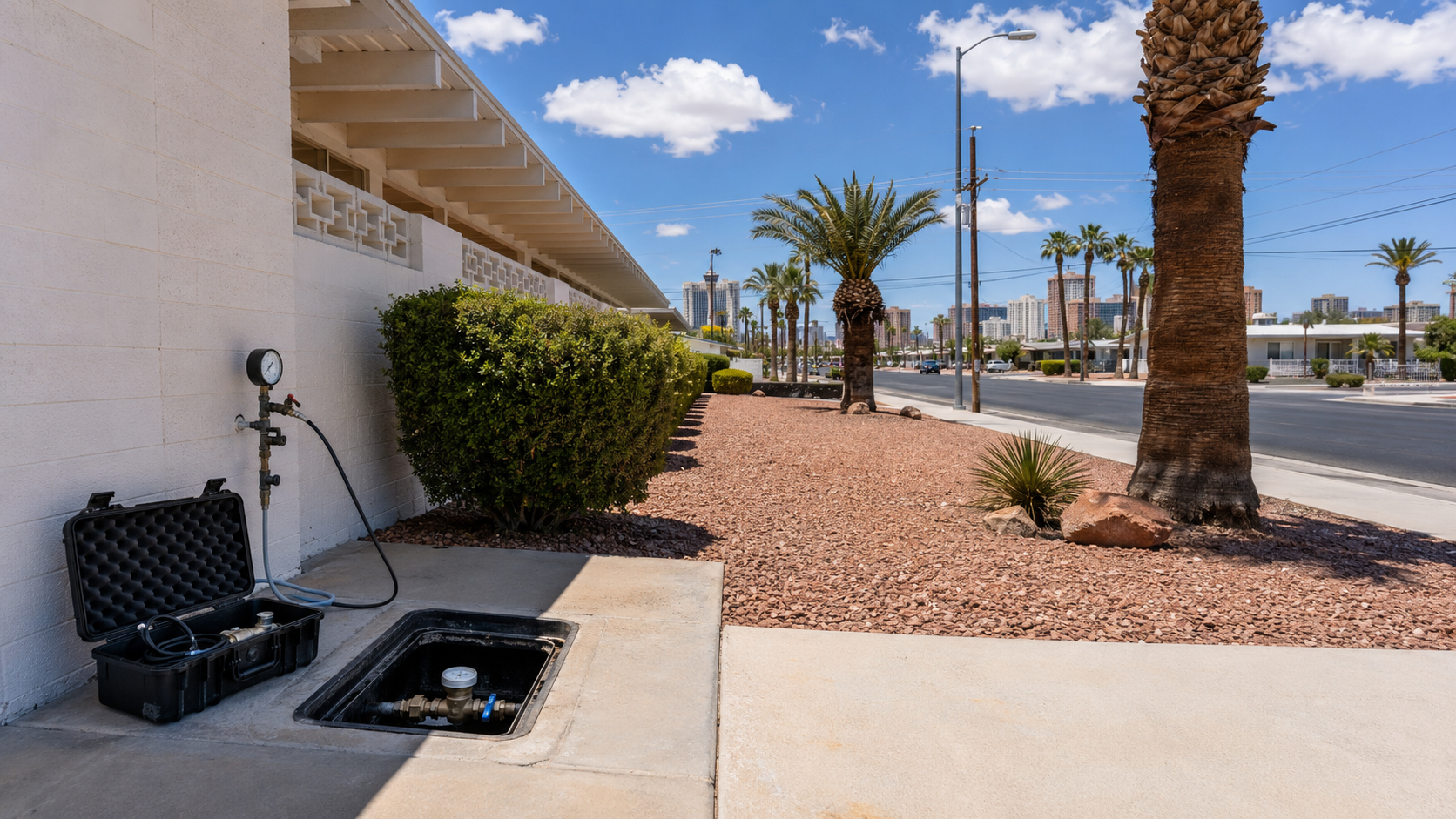
- 1Turn off every fixture and appliance that uses water
- 2Write down the meter reading
- 3Wait one to two hours without using water
- 4Read the meter again, any movement means water is escaping
Sounds And Smells
Hidden leaks are easiest to hear late at night when the house is quiet. A soft hiss behind drywall, a drip under a cabinet, or the sound of running water with everything off all point the same direction.
A musty or earthy smell in one room means moisture has been sitting long enough for mildew. That smell is a timeline as much as a symptom.
What You Can See
- Yellow or brown staining on a ceiling or wall
- Paint bubbling or wallpaper lifting at a seam
- Baseboards separating or flooring cupping
- Grout or tile that stays damp in one spot
- A patch of unusually green landscaping or a soft spot in the yard
Slab Leaks In Valley Homes
Most homes here sit on a post tension slab with water lines running underneath. When one of those lines fails, the clues are specific.
A warm area on the floor points at the hot side. So does a water heater that runs more than it used to with no change in habits.
- A warm or hot spot on a tile or concrete floor
- The sound of running water under the floor
- Cracks appearing in one area of the slab or wall
- Hot water pressure dropping while cold stays normal
How We Find It Without Tearing Up The House
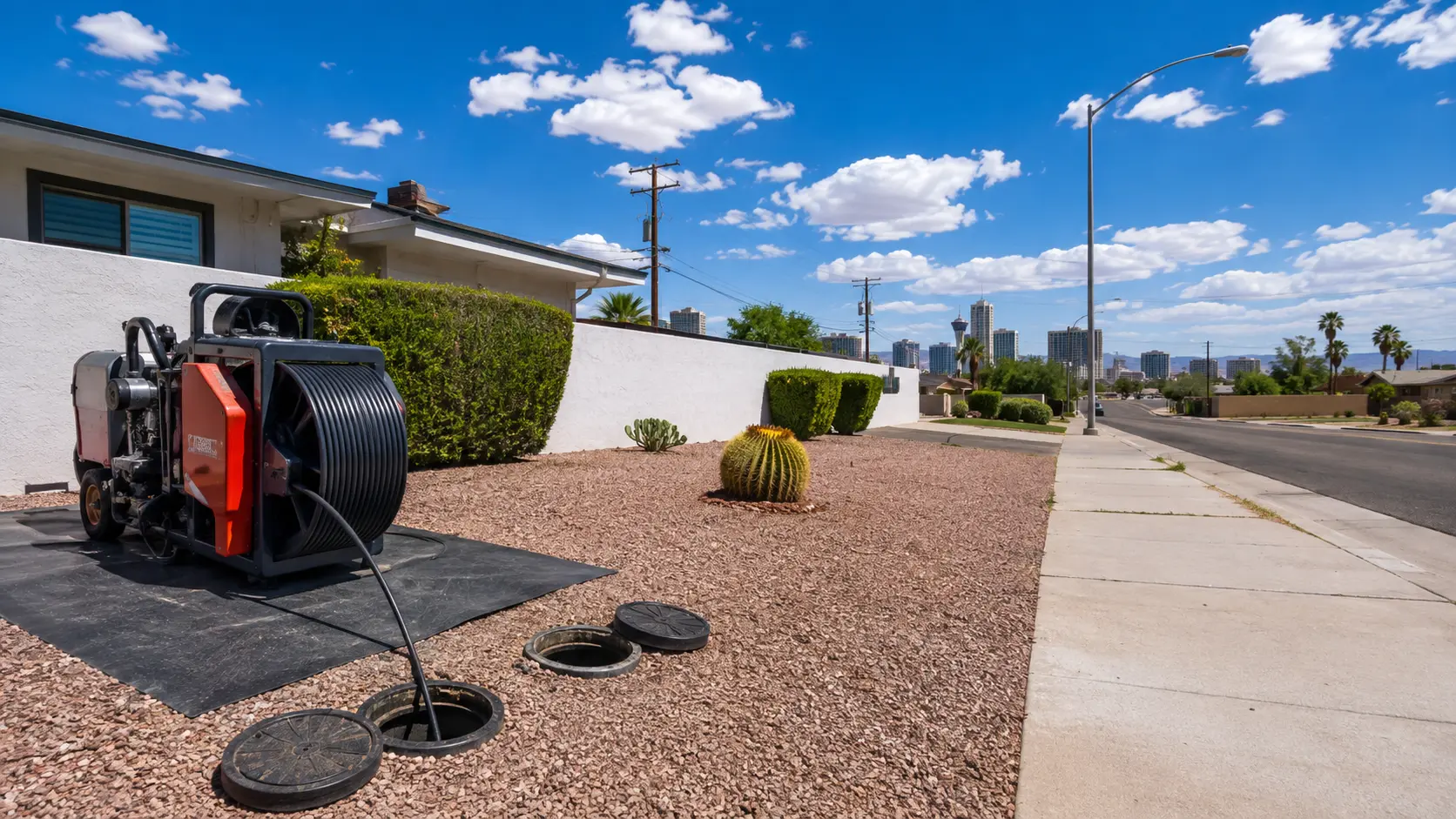
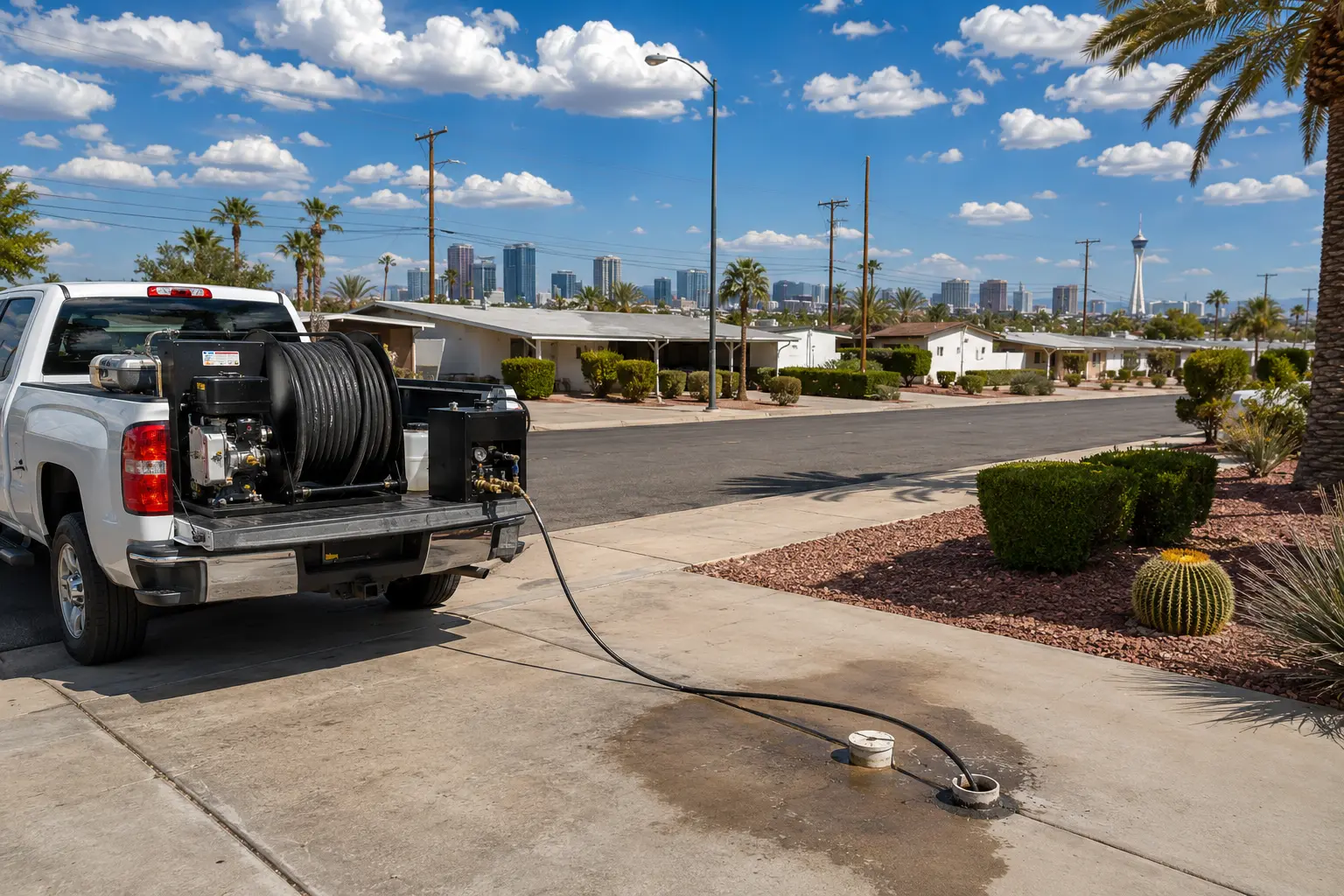
Detection comes before demolition. Acoustic listening equipment, pressure isolation and thermal imaging narrow the location to a small area, so the repair opens one section rather than a room.
Once located, the choice is a spot repair, a rerouted line or a repipe of that branch. We show you the evidence and price all viable options before anything gets opened up.